

- 0
- 680 words
Oura ring doesn’t accurately measure sleep quality, lawsuit says
 Daniel de Visé
Oura rings oversell their ability to track a wearer’s sleep, a new class-action lawsuit alleges.
Many Americans struggle with sleep. Oura rings promise to help people measure the length and quality of their sleep, along with WHOOP bracelets, Apple Watches and other wearable devices.
Sleep “has become a major health priority for American consumers,” says the lawsuit, filed Aug. 20 in U.S. District Court in California. Oura sits at the center of a nearly $7 billion sleep-tracking market, the complaint says.
Oura, pronounced with a long O, promotes its smart ring as a sort of 24/7 wellness companion, capable of tracking both sleep and daily physical activity.
“Comfortably wear Oura Ring all day and night to collect deeply personal health metrics and insights,” Oura says on its website. “Your finger provides the most accurate reading with 50+ health metrics that directly impact how you feel.”

Lawsuit says Oura touts benefits its ring cannot deliver
The lawsuit alleges, however, that Oura touts benefits its ring cannot deliver.
The smart-ring firm, based in San Francisco, responded to the suit with this statement: “We dispute the allegations in this complaint and intend to defend against them.”
According to the suit, Oura has marketed its rings as capable of measuring not just how long you sleep, but how well.
“Every morning, when millions of people wake up, they reach for their phone before they open their eyes – not to check messages, but to check how they slept,” the lawsuit says. “They see a number from 0 to 100, the total sleep score telling them how well they slept. The next set of measurements follow: the time spent in deep sleep, in REM sleep and in light sleep; sleep efficiency, time in bed, restfulness, awake time; and other similar markers. For a consumer who has spent years exhausted, anxious and struggling with sleep, that number feels like an answer.”
Oura claims to be able to measure all of those things, the lawsuit says.
“But in reality, Oura rings cannot measure one’s sleep or cycles,” the lawsuit says. “That’s because sleep happens in the brain, not on one’s finger.”
The lawsuit joins a broader debate on the value of wearable devices to track human health.
Research has shown the devices can cause stress and anxiety for some wearers, who might put too much stock in the readings. For others, however, the rings and bracelets encourage good sleep habits.
Plaintiff spent $513.68 on an Oura ring
Attorneys brought the suit on behalf of Madison Surber, a Californian who bought an Oura ring for $513.68 in 2025 based on the disputed marketing claims, according to the complaint.
“When you go to sleep, Oura goes to work,” Oura says on its website, “translating your sleep data to define your optimal sleep schedule and spot areas for improvement.”
Oura told customers its ring could measure different sleep stages with 95% accuracy, said Shireen Clarkson, co-founder of Clarkson Law Firm, which filed the suit. She said its estimates are closer to 50% accurate: a coin toss.
“What the ring does is, it sits on your finger, and it measures heart rate and skin temperature and body movement, and the algorithm spits out an estimate based on those signals about what your sleep stages are,” she said. “People are relying on this information for their health, and I think that’s where the danger lies.”
Oura acknowledges its ring cannot replicate a laboratory sleep study, the lawsuit says, but only deep within the technical materials that come with the product.
Customers bought the rings based on the marketing: nearly 3 million rings in 2025, and more than $1 billion in sales, the lawsuit says.
The lawsuit seeks to halt “unlawful and fraudulent” advertising and marketing of Oura rings, and potentially to halt their sale. The action also seeks restitution for the amount Surber and others allegedly “overpaid” based on the advertised benefits of the ring.
Contributing: David Oliver
Original source: https://www.usatoday.com/money/
Author

seoexperts1994@gmail.com
Related Posts

How to save on car insurance in 2027: Take these steps now
- 0
- 205 words
We may receive commissions from some links to products on this page. Promotions are subject to availability and retailer terms. November 6,...
Read out all
Data centers are unpopular — and a key motor of economic growth, experts say
- 0
- 201 words
November 6, 2026 / 3:50 PM EST / CBS News The shifting political winds surrounding data centers could buffet the entire U.S....
Read out all
How to shop for car insurance online
- 0
- 206 words
We may receive commissions from some links to products on this page. Promotions are subject to availability and retailer terms. November 6,...
Read out all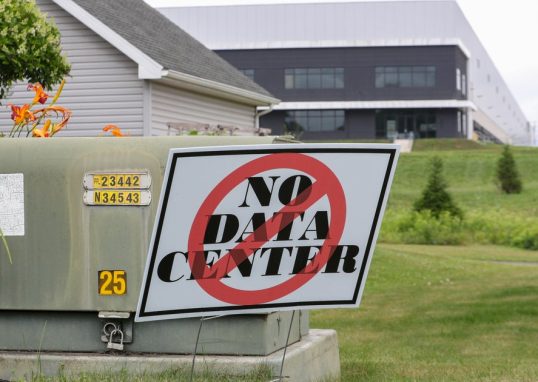
AI data center backlash fuels votes for change and sharp stock market swings
- 0
- 205 words
November 6, 2026 / 12:57 PM EST / CBS News Concern over AI and misgivings about data center construction helped drive votes...
Read out all
You settled a debt for less than you owed. Here’s what to expect when you file your taxes.
- 0
- 203 words
We may receive commissions from some links to products on this page. Promotions are subject to availability and retailer terms. November 6,...
Read out all
These are the most popular strategies Americans are using to pay off expensive debt
- 0
- 206 words
We may receive commissions from some links to products on this page. Promotions are subject to availability and retailer terms. November 6,...
Read out all