
- 0
- 766 words
Joro spiders are back. Where you could see the giant invasive species
 Julia Gomez
The Joro spider season has begun, and folks in several states may notice the huge, brightly colored spiders.
The spider’s population peaks in the southeastern U.S. from August to October, so people are more likely to spot these creepy crawlies, according to Joro Watch, a monitoring program that collects data and reports on the invasive spider.
The spider is just one of many invasive species entering the U.S., according to Kathy Heinsohn, a staff entomologist with American Pest. And it looks like it is here to stay.”Now, because of global trade and climate change, we are seeing more invasives, like the Joro spider, arriving,” Heinsohn previously told USA TODAY.
But Joro spiders may look scarier than they actually are.
Here’s what to know.

When is the Joro spider season?
Joro spiders’ eggs hatch between May and June, according to Heinsohn. Female Joro spiders can lay between one and five egg masses, which can each contain around 500 eggs.
While they hatch months before, Joro spider season will peak in August, according to Joro Watch. It will go on until October, though these arachnids can pop up sporadically throughout the year.
What do Joro spiders look like?
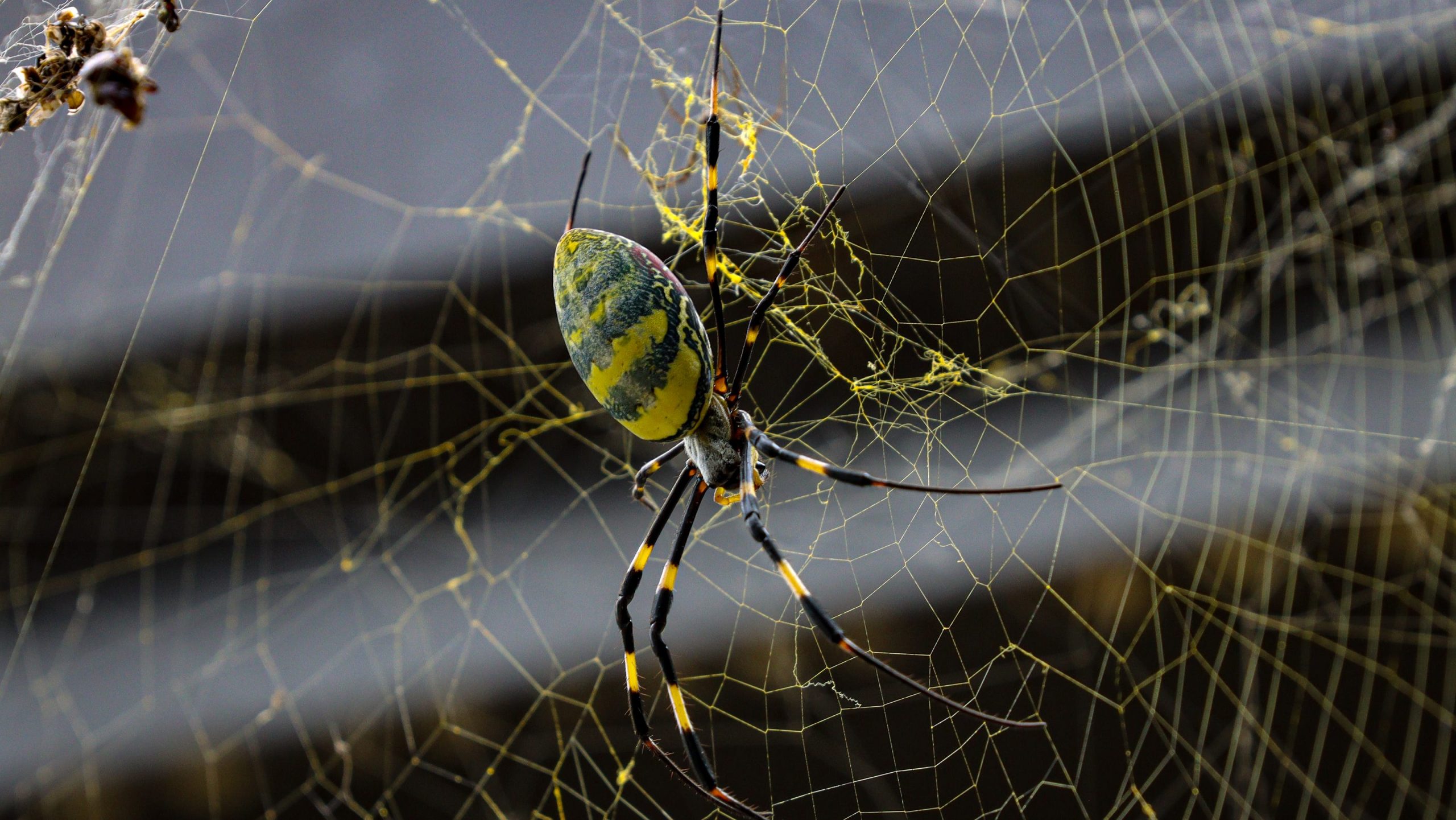
Female Joro spiders are yellow, blue, black and red. They have long legs and a striped, bright-yellow backside. Female Joro spiders can grow as large as 4 inches, big enough to span across a tennis ball, according to the University of Georgia. They can look downright intimidating.
On the other hand, the males of the species are smaller and look duller than their female counterparts.
“The females are much larger and more colorful than the males,” said Heinsohn.

When have Joro spiders been spotted?
Joro spiders have been spotted in certain areas in the following states, according to Joro Watch:
- Alabama
- Georgia
- Oklahoma
- Illinois
- Tennessee
- North Carolina
- South Carolina
- California
- Virginia
- Maryland
- Pennsylvania
- West Virginia
While sightings of the spiders have been reported across the country, established populations have not been confirmed in every state listed above. Populations have only been confirmed in Georgia, Alabama, Tennessee, North Carolina and South Carolina.

How does the invasive arachnid affect the environment?
Researchers are still studying how Joro spiders affect the environment, according to Joro Watch.
However, they could help homeowners and renters keep pests away from their property, said Heinsohn.
Are they harmful to humans?
While they look scary, Joro spiders are not harmful to humans, and their bites feel more like a bee sting, according to Heinsohn. But because they have small fangs, it’s very hard for them to penetrate a human’s skin.
Their bites would only be harmful to those who could have an anaphylactic reaction, a life-threatening allergic reaction that can cause a person’s tongue and throat to swell. But, according to Heinsohn, that is rare.
How did they get to the US?
The Joro spiders first arrived in the Atlanta, Georgia, area in 2013 and were first described in 2014, according to Heinsohn. Researchers believed they came here from Asia via shipping containers.
Since then, they have spread to states surrounding Georgia by attaching themselves to vehicles and other items we take with us when we travel.
When they are still spiderlings, or baby spiders, the Joro spiders produce a silk line from their abdomens in a process called ballooning, according to Heinsohn. Then they float away using the silk line to move to new areas.
The process allows them to spread to more areas quickly.
There are also satellite populations, like one in the Baltimore, Maryland, area, that are isolated and brought in through shipping containers, freight rails or air travel, Heinsohn said.
What should you do if you see a Joro spider?
Joro spider sightings should be reported to Joro Watch. Those who see them can snap a photo of the spider and submit a report through Joro Watch’s website, the EDDMapS app or the iNaturalist app, according to Joro Watch.
But other than reporting Joro spider sightings, people should “leave them be,” said Heinsohn.
Do not go out of your way to kill spiders, as they can serve as natural pest control, keeping insect populations at bay near your home.
Julia Gomez is a Trending reporter for USA TODAY and covers space phenomena, scientific studies and natural disasters. Connect with her on LinkedIn, X, Instagram, and TikTok: @juliamariegz, or email her at jgomez@gannett.com.
Original source: https://www.usatoday.com/news/nation/
Author

seoexperts1994@gmail.com
Related Posts

‘All we can do is pray.’ Thousands without power nearly 2 weeks after Indiana storm
- 0
- 648 words
NATIONFacebook'All we can do is pray.' Thousands without power nearly 2 weeks after Indiana storm Dinah Voyles PulverUSA TODAYAug. 23, 2026, 10:45...
Read out all
Sen. Scott calls Darline Graham ‘real deal’ after debate-stage gaffe
- 0
- 405 words
POLITICSTim ScottSen. Scott calls Darline Graham 'real deal' after debate-stage gaffeJames Powel Joey Garrison Francesca ChambersUSA TODAYAug. 23, 2026, 4:27 p.m. ETSouth...
Read out all
First lady Melania Trump says she ‘loved’ racing as a child
- 0
- 317 words
USA 250Melania TrumpFirst lady Melania Trump says she 'loved' racing as a child James PowelUSA TODAYAug. 23, 2026, 6:32 p.m. ETFirst lady...
Read out all
What to know about Freedom 250 and America250 on DC race day
- 0
- 474 words
NATIONUSA 250What to know about Freedom 250 and America250 on DC race dayMelina Khan James PowelUSA TODAYAug. 23, 2026, 1:57 p.m. ETThe...
Read out all
Ex-deputy convicted in Sonya Massey killing dies in prison
- 0
- 643 words
CRIMEDeath & TragedyEx-deputy convicted in Sonya Massey killing dies in prison Steven SpearieUSA TODAY NETWORKAug. 23, 2026, 7:01 p.m. ETSPRINGFIELD, IL —...
Read out all
Hawk Fire near Reno grows, triggering wider evacuation orders
- 0
- 672 words
NATIONWildfiresHawk Fire near Reno grows, triggering wider evacuation ordersDinah Voyles Pulver Jason HidalgoUpdated Aug. 23, 2026, 9:02 p.m. ETA fast-growing wildfire forced...
Read out all