- 0
- 202 words
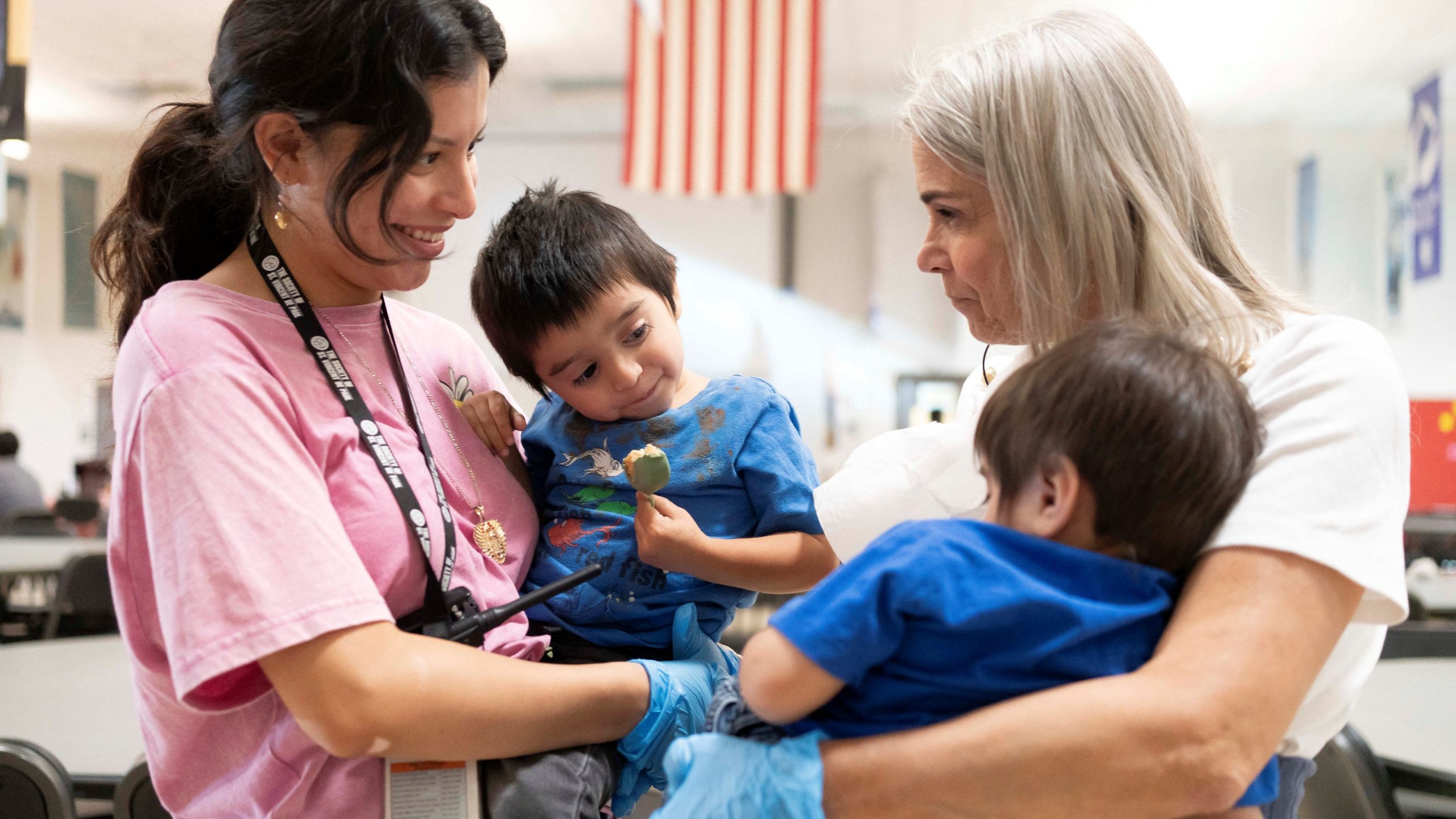
October ushers in changes to SNAP, the government's supplemental nutrition assistance program, including one shift Americans may see immediately and another one that could determine the program's fate and benefits in coming years, analysts said.
\n\nMost Americans on SNAP, formerly called food stamps, will see a small bump in their benefits from the annual cost-of-living adjustment, or COLA. In the 48 contiguous states plus Washington, DC, a family of three will see maximum monthly SNAP payments rise by $23. For a family of four they'll rise $29. A family of five will see a $34 increase. Singles will see an $8 rise. Maximum benefit amounts are different in Alaska, Hawaii, Guam and the U.S. Virgin Islands, because of higher prices for groceries.
\n\nWhile that's welcome news for the roughly 37 million lower-income Americans receiving the benefits, there's less to cheer for states grappling to continue supporting the food program, analysts said. Under President Donald Trump's signature tax and spending law passed last year, state governments will now be responsible for 75%, instead of 50%, of SNAP administrative costs, beginning Oct. 1.
\n\nThat change isn't necessarily visible to SNAP recipients now, but the increased costs will strain state budgets at a…
Original source: https://www.usatoday.com/money/
Author

seoexperts1994@gmail.com
Related Posts
Powerful Thanksgiving storm brings flooding, power outages to Northeast, Midwest
- 0
- 201 words
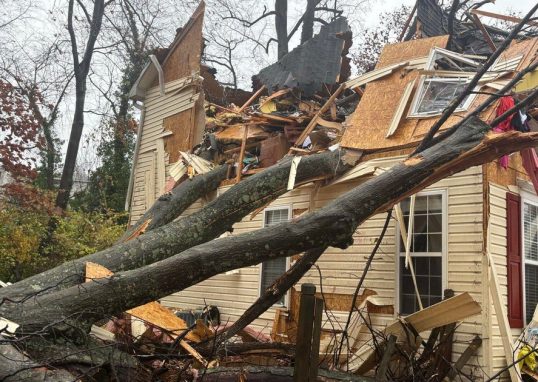
Updated on: November 27, 2026 / 2:57 PM EST / CBS/AP A Thanksgiving storm brought foul weather to the East Coast and...
Read out all
Allstate roiled by tech outage over Thanksgiving week
- 0
- 210 words
November 27, 2026 / 10:06 AM EST / CBS News Allstate has joined the growing list of companies bedeviled by a technology...
Read out all
Here’s how GLP-1 drugs are changing people’s shopping habits
- 0
- 210 words
November 27, 2026 / 6:00 AM EST / CBS News The millions of Americans who use GLP-1 drugs to lose weight are...
Read out all
Does travel insurance cover flight cancellations and delays after ground stops?
- 0
- 206 words
We may receive commissions from some links to products on this page. Promotions are subject to availability and retailer terms. November 25,...
Read out all
Credit card mistakes to avoid this holiday season
- 0
- 199 words
We may receive commissions from some links to products on this page. Promotions are subject to availability and retailer terms. November 27,...
Read out all
What’s open and closed on Black Friday 2026? Hours for stores, restaurants, banks and more
- 0
- 211 words
Updated on: November 26, 2026 / 10:01 PM EST / CBS News The turkey's been carved, the pie's been gobbled up and...
Read out all