
- 0
- 683 words
Bank of America spends $250M yearly on GLP-1s for workers, CEO says
 Anthony Thompson
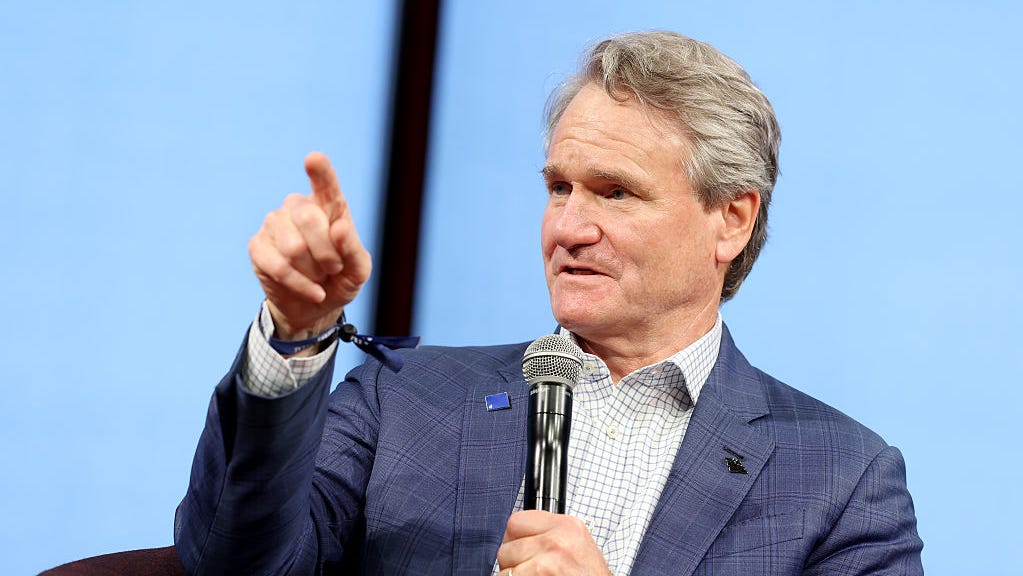
Bank of America spends more than $250 million a year covering GLP-1 weight-loss medications for its employees, a benefit CEO Brian Moynihan says is paying off despite the drugs’ rapidly rising costs.
The bank now spends more than $2 billion annually on health care for its roughly 211,000 employees, with GLP-1 medications such as Ozempic, Wegovy and Zepbound accounting for about 13% of that total, CNBC and The Independent reported.
“We spend about $250 million or more on GLPs, and that’s up from zero four or five years ago,” Moynihan said during an interview with CNBC published Aug. 5. “We see a great impact on the employees.”
The CEO’s comments come as employers across the country debate whether they can afford to cover GLP-1 medications. The drugs can cost thousands of dollars per patient annually; however, Moynihan pointed to growing clinical evidence suggesting that they can help patients lose weight while lowering the risk of cardiovascular events.

Why Bank of America says the investment is worth it
Moynihan acknowledged that some employees may leave the company before Bank of America realizes the long-term savings from improved health, but added that the decision ultimately reflects the bank’s effort to provide valuable benefits for its workforce.
Bank of America pairs access to GLP-1 medications with health coaching to help employees monitor weight loss and make lifestyle adjustments, Moynihan said, per CNBC. He also pointed to emerging clinical data suggesting that the drugs may lower the risk of cardiovascular events.
“It’s been fascinating to watch our teammates’ behavior on these adjustments, the loss of weight,” he said.
The bank is also using its size to negotiate lower prices with drugmakers and pharmacy benefit managers.
“Believe me, we’re pounding everybody on price and trying to get them as cheap as possible,” Moynihan said during the Aug. 5 CNBC interview. “But our view is that because of the long-term health benefits, plus there may be more short-term health benefits … it’s a good investment.”

Employers continue weighing GLP-1 coverage
The nation’s second-largest bank by assets isn’t alone in grappling with the growing cost of GLP-1 medications.
According to a July survey by the International Foundation of Employee Benefit Plans, 36% of employers provide coverage for GLP-1 medications for both diabetes and weight loss. Respondents said the drugs accounted for 11.4% of annual health claims in 2026, up from 6.9% in 2023.
Drugmakers Eli Lilly and Novo Nordisk have been working to expand employer coverage, including Lilly’s employer program that offers discounted pricing for Zepbound.
A Gallup poll released last month also found that 11% of U.S. adults currently take a GLP-1 medication for weight loss, up from 3% in 2024.
GLP-1 drugs offer benefits but also carry risks
GLP-1 medications have been shown to help people lose weight and may lower the risk of heart attacks, strokes, heart failure and other cardiovascular complications. However, like any medication, they can also cause side effects.
Among the newer concerns doctors are seeing is “temporal hollowing,” sometimes called “temporal wasting,” a loss of fat in the temples that plastic surgeons say can occur after rapid weight loss. The condition has become associated with the broader phenomenon known as “Ozempic face,” in which facial fat loss can make people appear older.
According to a recent USA TODAY report, plastic surgeons say the temples are a subtle but important part of facial appearance, and volume loss in that area can contribute to an aged or dehydrated look. The condition can be treated with fillers or fat transfer procedures, though experts warn that the temples are a high-risk area for cosmetic injections because of the nearby blood vessels.
Dr. Terry Dubrow previously told USA TODAY that temporal hollowing can often be avoided by losing weight gradually and following doctors’ instructions. He advised patients not to increase their GLP-1 doses too quickly.
Reporter Anthony Thompson can be reached at ajthompson@usatodayco.com or on X @athompsonUSAT.
Original source: https://www.usatoday.com/money/
Author

seoexperts1994@gmail.com
Related Posts
OpenAI agents accessed US government websites, tried to hack one
- 0
- 213 words
OpenAI models took unapproved actions on two U.S. government websites, the company found during a review of model activity. Another model attempted...
Read out all
TikTok settles Alabama lawsuit over youth safety concerns for at least $100 million
- 0
- 203 words
September 25, 2026 / 10:09 PM EDT / CBS/AP TikTok will pay the state of Alabama at least $100 million and must...
Read out all
Winning Mega Millions numbers for Sept. 25, 2026
- 0
- 205 words
The Mega Millions jackpot is on the rise again. After no ticket matched all six numbers in the previous drawing, the jackpot...
Read out all
PepsiCo to raise chip, soda prices. Here’s when to expect increases
- 0
- 211 words
Buying Doritos, Ruffles and other PepsiCo-owned chips, sodas and dips may cost consumers a little more as the snack company plans to...
Read out all
‘Cookie McDouble’ trend has some McDonald’s customers ‘McMad’
- 0
- 216 words
About a month after various content creators urged customers to dip a McDonald’s cheeseburger into carbonated beverages, a similar hack involving two...
Read out all
Supreme Court again blocks Missouri’s new congressional map drawn to give Republicans an edge
- 0
- 198 words
Updated on: September 25, 2026 / 6:29 PM EDT / CBS News Washington — The Supreme Court on Friday again blocked Missouri...
Read out all