- 0
- 488 words
Amazon lawsuit puts ‘eco-friendly’ labels under scrutiny
 Damon C. Williams
You may be compelled to buy groceries based on eco-friendly claims. But are you truly getting what you paid for?
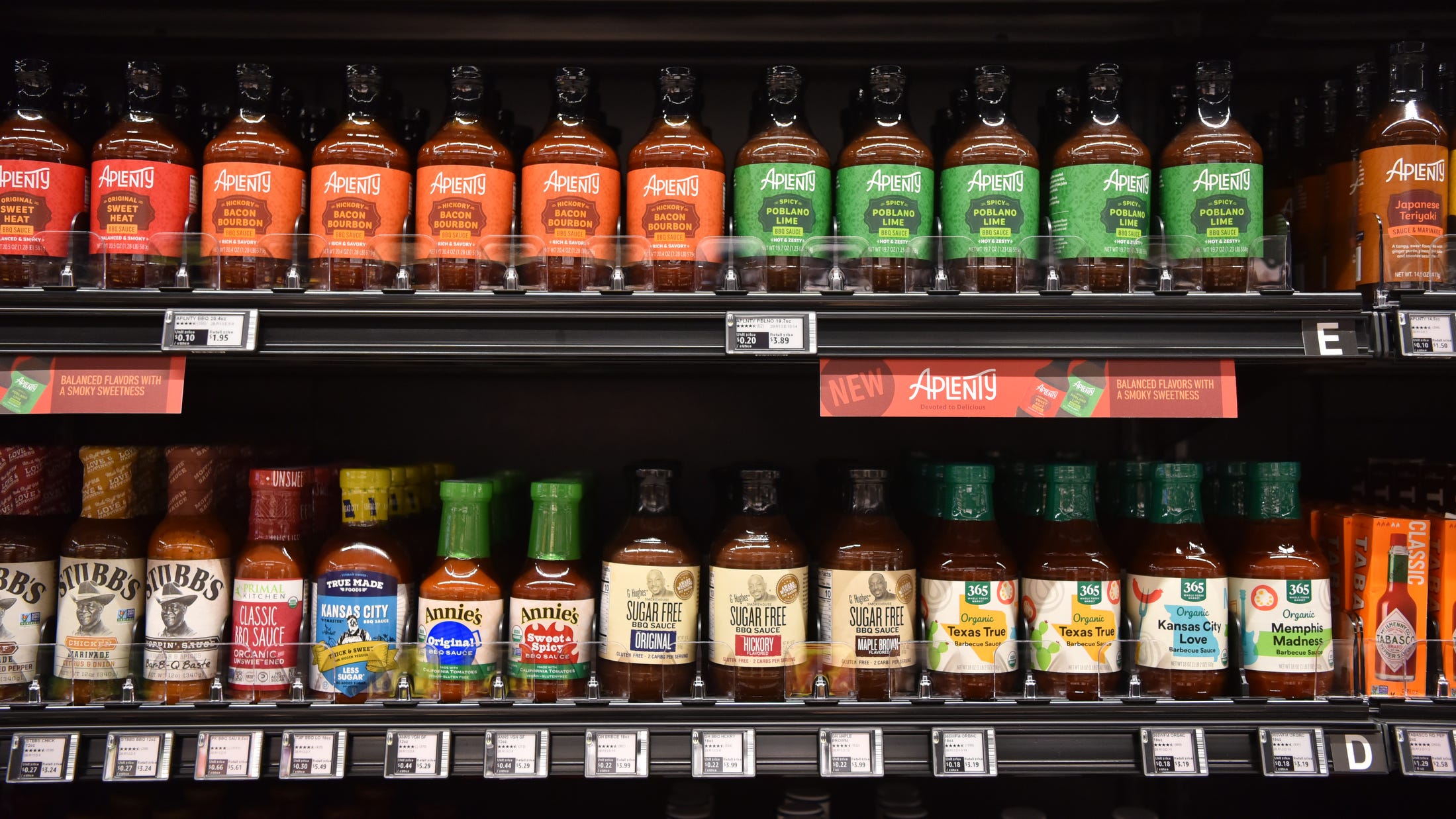
Amazon is facing a proposed class-action lawsuit alleging that some seafood products sold through its platform were marketed using sustainability claims that misled consumers.
The lawsuit was filed in the U.S. District Court for the Western District of Washington on Friday, July 31.
The lawsuit has renewed attention on a term known as “greenwashing,” a practice critics say can make products appear more environmentally friendly than they actually are.
The lawsuit comes at a time when sustainability claims have become increasingly important to shoppers.

A NielsenIQ study cited by McKinsey Insights found that 78% of U.S. consumers say a sustainable lifestyle is important to them, helping explain why environmental marketing claims can influence purchasing decisions.
Trellis reported that in 2025, 49% of Americans said they recently purchased a product labeled environmentally friendly.
Here’s what greenwashing really is, and what you can do to avoid the tactic.
What is greenwashing?
According to Investopedia, greenwashing is a term used when a company is accused of making environmental claims that are misleading, exaggerated or unsupported.
The practice generally involves marketing products, services or business practices as environmentally friendly, sustainable or eco-conscious in ways critics say may not accurately reflect their true environmental impact.

How can shoppers spot potential greenwashing?
The Federal Trade Commission published guidance known as the Green Guides to help businesses avoid making environmental marketing claims that could mislead consumers.
The FTC notes that consumers and companies may interpret environmental claims differently and cautions marketers against making broad or unqualified claims about a product’s environmental benefits without proper support.
Based on the FTC Green Guides, one of the biggest warning signs is when companies make broad, unqualified environmental claims such as “green” or “eco-friendly” without clearly explaining what those claims mean.
The FTC notes that broad environmental-benefit claims can be difficult to substantiate and that companies should clearly identify the specific environmental benefit they’re claiming.

Consumers may want to look beyond broad terms such as “green,” “eco-friendly” and “sustainable” when evaluating products. The Federal Trade Commission advises businesses to clearly explain the environmental benefits they are claiming and cautions against broad, unqualified environmental marketing claims that could mislead consumers.
Shoppers may want to look for specific explanations, certifications and supporting information rather than relying solely on environmental buzzwords.
Unlike nutrition labels, there is no single government-run directory that verifies every environmental claim consumers encounter on store shelves. Experts recommend looking beyond broad marketing language and researching what specific certifications or claims actually mean.
Damon C. Williams is a Philadelphia-based journalist reporting on trending, breaking and service-related topics across the Mid-Atlantic region for the USA TODAY Network.
Original source: https://www.usatoday.com/money/
Author

seoexperts1994@gmail.com
Related Posts

Rising energy costs from AI data centers land hardest on lower income, rural households, study finds
- 0
- 202 words
November 10, 2026 / 2:39 PM EST / CBS News With data centers cropping up around the United States, the cost of...
Read out all
Nvidia’s trillion-dollar dilemma: Can it afford to lose CEO Jensen Huang?
- 0
- 204 words
Updated on: November 10, 2026 / 5:03 PM EST / CBS News Nvidia's board of directors faces a trillion-dollar dilemma: Can the...
Read out all
24% of Americans with a credit record are behind on their debts, new analysis finds
- 0
- 203 words
November 10, 2026 / 3:05 PM EST / CBS News More Americans are tumbling seriously into debt as prices and the overall...
Read out all
Car insurance mistakes every driver should avoid now
- 0
- 206 words
We may receive commissions from some links to products on this page. Promotions are subject to availability and retailer terms. November 10,...
Read out all
9 car insurance discounts you could be missing out on
- 0
- 206 words
We may receive commissions from some links to products on this page. Promotions are subject to availability and retailer terms. November 10,...
Read out all
Inflation remained elevated in October, CPI report shows, upping odds of Fed interest rate hike
- 0
- 204 words
Updated on: November 10, 2026 / 10:51 AM EST / CBS News Consumer prices rose more than economists expected in October on...
Read out all