
- 0
- 681 words
A partial solar eclipse is approaching. See which states can view it
 Saleen Martin
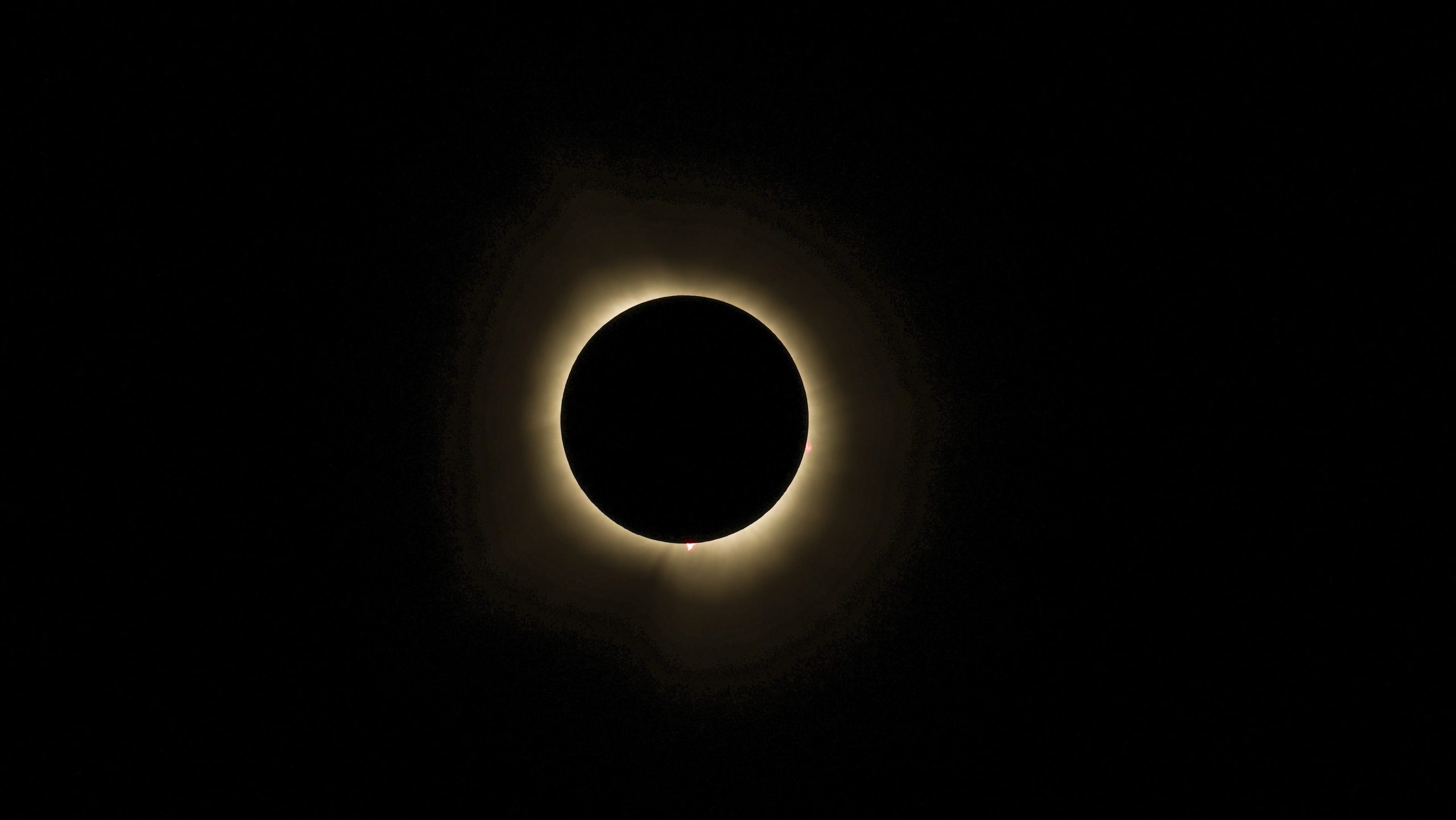
Nearly 2 1⁄2 years after space enthusiasts last saw a total solar eclipse, another is on its way, allowing U.S. viewers to see a partial glimpse of the phenomenon.
This year’s eclipse falls on Aug. 12, allowing people across most of Europe and in northwestern Africa to see the moon cover most of the sun. But for most people, including those in the United States, the moon will not completely block the sun, making this year’s eclipse partial, according to NASA’s website.
The lucky people in the United States able to view the partial solar eclipse this year include those from Alaska to North Carolina. People in Washington, DC, will also be able to see it.

In Alaska, the eclipse will happen in the morning, while those in the northern U.S. will be able to see it between midday and midafternoon, NASA said.
People near the center of the eclipse path in Greenland, Russia or the North Atlantic will experience the eclipse for a slightly longer period; most people will see the sun eclipsed for less than two minutes, according to NASA.
Here’s what else we know about this year’s eclipse.

What is a total solar eclipse? And is it safe to view?
A total eclipse occurs when the moon moves in front of the sun. The area where the total solar eclipse is visible is called a path of totality.
During this period, people in the center of the moon’s shadow will be able to see a total solar eclipse, NASA said.
Before and after totality, when the moon covers only part of the sun, NASA recommends viewers use eye protection such as solar viewing glasses (eclipse glasses), handheld solar viewers or other solar filters that block most of the sun’s light and protect the eyes from damage.
Those wanting to get a look at the eclipse can also make pinhole projectors using a cereal or shoe box, scissors, tape, aluminum foil and other supplies.
“Only during those brief moments of totality, when the moon completely blocks the sun’s bright face, can viewers look directly at the eclipse without eye protection,” NASA said.
Who will be able to see the partial solar eclipse, and when?
When viewers can see maximum coverage largely depends on where they are in the United States.
Scientists use percentages to measure the maximum area of the sun that the moon covers during eclipses, NASA said. U.S. cities with the most coverage for the Aug. 12 eclipse include Fairbanks, Alaska, at 37%; Anchorage, Alaska, at 28%; and Bangor, Maine, at 24%.
According to NASA, 10 U.S. cities where people can see the partial solar eclipse include:
Fairbanks, Alaska
- 37% coverage
- Visible from 7:37 a.m. to 9:18 a.m.
- Maximum coverage at 8:27 a.m.
Anchorage, Alaska
- 28% coverage
- Visible from 7:36 a.m. to 9:09 a.m.
- Maximum coverage at 8:21 a.m.
Bangor, Maine
- 24% coverage
- Visible from 12:54 p.m. to 2:49 p.m.
- Maximum coverage at 1:53 p.m.
Portland, Maine
- 19% coverage
- Visible from 12:57 p.m. to 2:27 p.m.
- Maximum coverage at 1:53 p.m.
Juneau, Alaska
- 17% coverage
- Visible from 7:41 a.m. to 9:08 a.m.
- Maximum coverage at 8:24 a.m.
Boston, Massachusetts
- 16% coverage
- Visible from 1:01 p.m. to 2:46 p.m.
- Maximum coverage at 1:55 p.m.
New York, New York
- 9% coverage
- Visible from 1:07 p.m. to 2:38 p.m.
- Maximum coverage at 1:54 p.m.
Philadelphia, Pennsylvania
- 7% coverage
- Visible from 1:11 p.m. to 2:35 p.m.
- Maximum coverage at 1:53 p.m.
Washington, D.C.
- 4% coverage
- Visible from 1:17 p.m. to 2:27 p.m.
- Maximum coverage at 1:53 p.m.
Detroit, Michigan
- 3% coverage
- Visible from 1:03 p.m. to 2:08 p.m.
- Maximum coverage at 1:36 p.m.
NASA will host a live broadcast of the eclipse beginning at 1:15 p.m. ET on Aug. 12 on Amazon Prime, Facebook, Instagram, NASA+, Twitch, X and YouTube.
Saleen Martin is a reporter on USA TODAY’s trending team. She is from Norfolk, Virginia – the 757. Email her at sdmartin@usatoday.com.
Original source: https://www.usatoday.com/news/nation/
Author

seoexperts1994@gmail.com
Related Posts
Fall is looking up. Harvest Moon is set to peak today
- 0
- 211 words
Leaves will soon turn yellow and orange, and temperatures will begin to drop because fall is finally here. And September's Harvest Moon...
Read out all
¿Hay luna llena esta noche? Cómo ver la Luna de la Cosecha en septiembre
- 0
- 228 words
La próxima luna llena de 2026 llegará el 26 de septiembre y alcanzará su punto máximo a las 12:49 p.m., hora del...
Read out all
Rubio warns Russia’s war in Ukraine could potentially spread
- 0
- 144 words
More VideosIranian president says US ‘must choose’ to end war on Fox NewsUPMC Children's Hospital doctor killed, wife injured in stabbingTrump rally...
Read out all
Talarico says he’ll debate Paxton on Fox News
- 0
- 217 words
Democratic U.S. Senate nominee James Talarico has challenged Republican Ken Paxton to debate him on Fox News. Talarico first made the challenge...
Read out all
See the billionaires who dined with Trump, Xi at state dinner
- 0
- 204 words
POLITICSSee the billionaires who dined with Trump, Xi at state dinnerSept. 25, 2026, 7:38 p.m. ETTrump and Xi’s state dinner at the...
Read out all
New sea spider species has hairy legs, red eyes and 3 lips
- 0
- 207 words
Two new species of sea spiders have been discovered in the Salish Sea, including one with hairy-looking legs, red eyes and a...
Read out all