
- 0
- 213 words
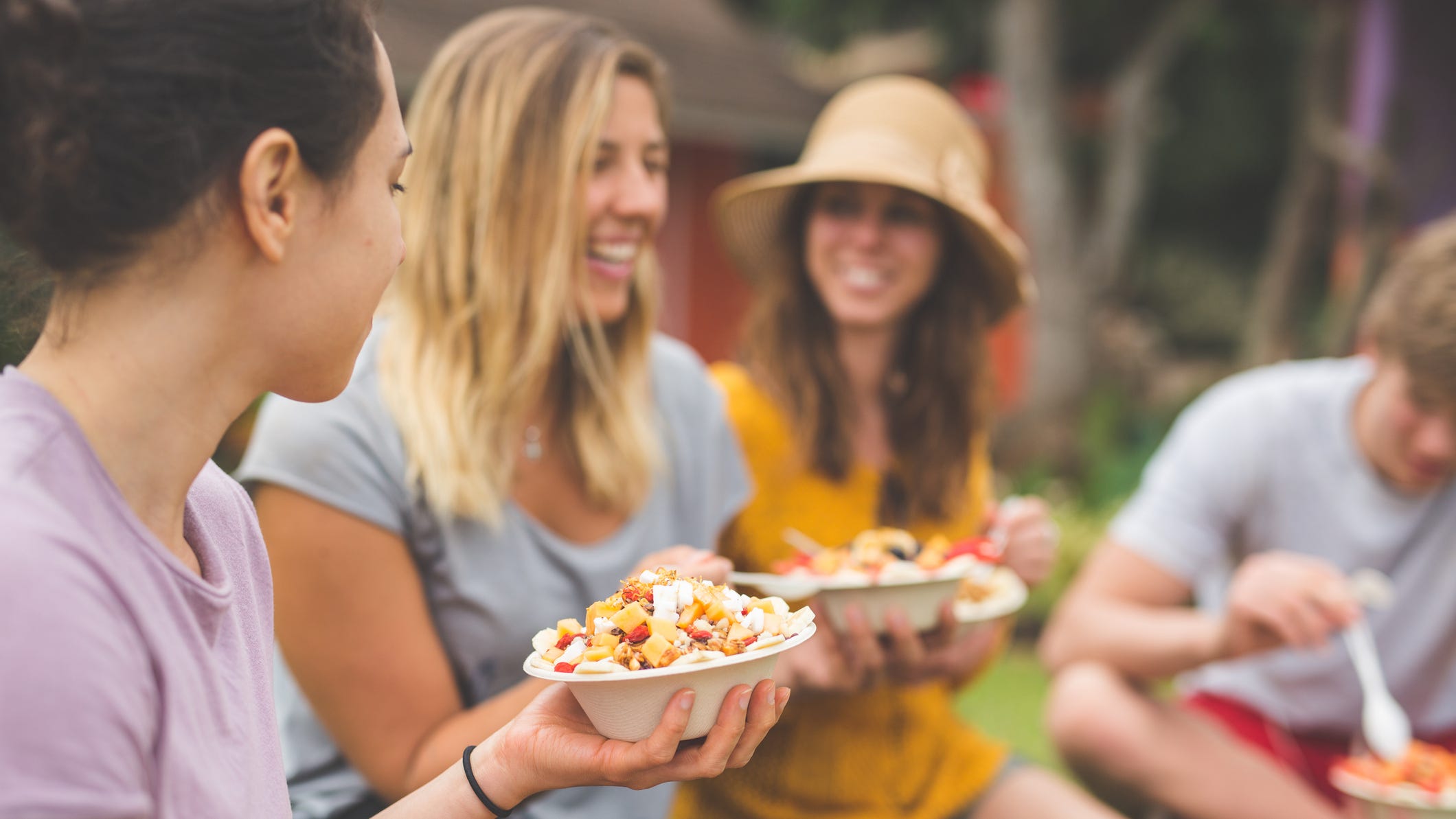
Walk through a grocery store or scroll through social media and you’ll encounter plenty of foods described as “super.” You’ll be told that blueberries protect the brain, turmeric fights inflammation, kale prevents heart disease and a single scoop of an expensive powder can deliver everything from more energy to stronger immunity.
\n\nMany foods that carry this label are genuinely nutritious. The problem is the suggestion that any one of them can transform your health or compensate for everything else you eat.
\n\nFor such reasons, “the label 'superfood’ is really just a marketing term for foods that are perceived as healthy, with no regulation or real definition,” says Jen Messer, a researcher, registered dietitian and former president of the New Hampshire Academy of Nutrition and Dietetics.
\n\nBut if no food actually possesses nutritional superpowers, what should we be eating? Here's what to know.
\n\nBecause “superfood” is not a scientific or botanical classification, there are no official nutritional requirements a food has to meet to earn the title. But the term remains popular anyway because it gives shoppers a simple, memorable way to identify nutrient-rich foods “and can encourage people to try healthier options,” says Amy Goodson, a nutritionist and registered dietitian…
Original source: https://www.usatoday.com/life/
Author

seoexperts1994@gmail.com
Related Posts

I spent a weekend with Gen Alpha. I needed a translator
- 0
- 220 words
As a youth mental health reporter, I’d like to think that I’m up to date with what young people are saying. Then...
Read out all
NAD IV therapy promises more energy. But it could come at a cost
- 0
- 210 words
These days, everyone is looking for an edge – whether for more energy, sharper focus or a longer life. To get one,...
Read out all
Horoscope Today, September 30, 2026
- 0
- 223 words
Here are the horoscopes for today, Wednesday, September 30, 2026. For full daily and monthly horoscopes as well as expert readings, see...
Read out all
The Cornell gang rape story is being scrutinized. It’s not uncommon
- 0
- 210 words
It's a story that's been heard many times before. A woman says something horrific happened to her. Or maybe, at first, she...
Read out all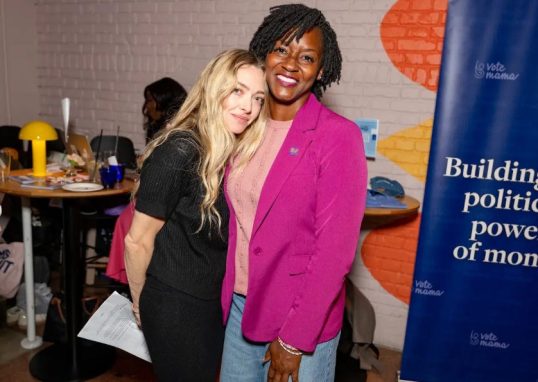
Amanda Seyfried talks motherhood, politics and her surprising hobby | Exclusive
- 0
- 212 words
Actress Amanda Seyfried wants to see more moms involved in politics. The "Mamma Mia!" star joined Vote Mama, the first PAC in...
Read out all
Does your kid get enough protein? Hiya’s new launch wants to help
- 0
- 220 words
Most kids aren’t getting enough quality protein—and many “kid-friendly” options on the market are loaded with sugar or built from scaled-down adult...
Read out all