
- 0
- 984 words
AI is accelerating elder fraud. Their kids are reckoning with the fallout
 Madeline Mitchell
It’s the kind of call that makes Clayton LiaBraaten’s blood boil.
LiaBraaten, senior executive spokesperson at Truecaller, a Caller ID and spam blocking app, said a man called in recently asking for help. His mother, a grieving widow, had been scammed out of more than $7,000. Scammers told her they’d worked with her late husband to cover up tax evasion records, and in order to preserve what was left of her inheritance, she had to pay up.
By the time her adult son found out about the scam, it was too late.
Using artificial intelligence, scammers are “scouring obituaries and looking for vulnerabilities,” LiaBraaten said. “It’s so disgusting, I can barely keep my cool about it.”
LiaBraaten couldn’t help the family recover any of the money they’d lost. But he said the family was able to seal off the widow’s bank accounts, and now any time she moves money one of her adult children has to approve it.
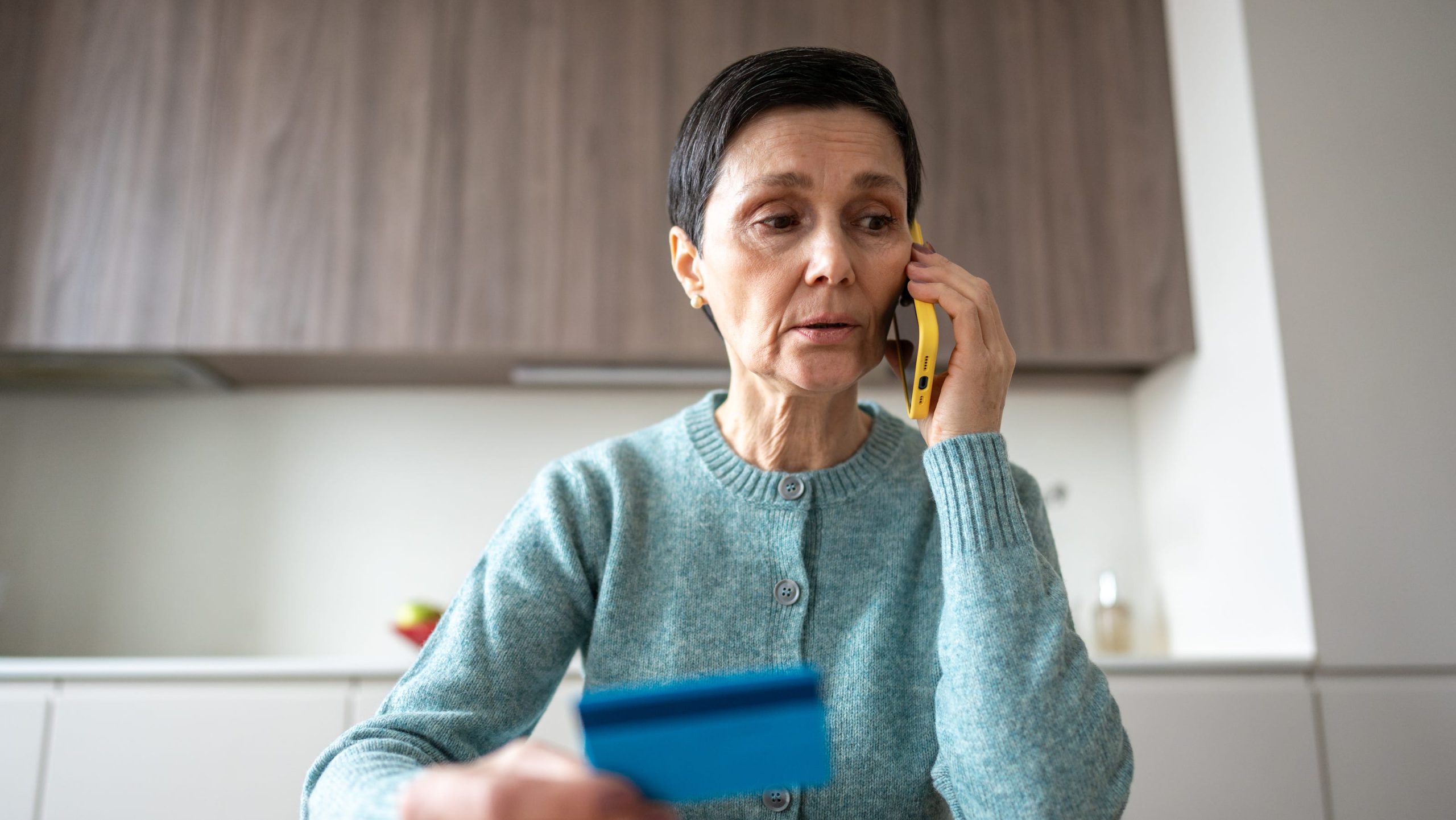
More adult children are becoming liaisons between their parents and their parents’ bank accounts as AI makes fraud harder to spot. As members of the sandwich generation, many of these caregivers are already facing overwhelming emotional and financial strain while caring for their children and aging parents. Add in elder fraud, and the pressure compounds, LiaBraaten said. There were more than 200,000 cyber crime complaints made to the FBI in 2025 by victims 60 and older, totaling nearly $8 billion in losses − and those numbers are underreported, experts told USA TODAY. Some of today’s sandwich generation caregivers feel compelled to filter their parents’ every call, text, instant message and piece of snail mail to avoid the financial devastation of a scam.
Ian Bednowitz, general manager at LifeLock, an identity theft protection service, did just that after his mother’s paid caregiver stole her identity to open fraudulent loans and credit cards in her name. Bednowitz said he cleared all sensitive financial documents out of his mother’s house and redirected her mail to a third party site to be scanned. He told her doctors not to provide her caregivers with paper documents after visits. He couldn’t risk another breach of his mother’s privacy.
“I was already under financial stress, taking care of my mom. You know, it’s not cheap, to have caregivers in the home,” Bednowitz said. “I can’t tell you the despair and weight that I felt.”
‘How’d you fall for that?’ Fraud fallout hits more than just finances
Elder fraud isn’t new. But more seniors than ever before are embracing smartphones, LiaBraaten said, and in some cases spending just as much time online as today’s kids.
Bednowitz said things have gotten worse since his mother’s fraud incident in 2016, mainly because of the rise of AI. Being proactive about protecting seniors from scams is imperative, he said, but he also understands the barriers for some families.
“Most caregivers put scams and data privacy at the bottom of the list of things that they’re caring about. Just like me, they’re worried about the physical health and the mental health of the individual,” he said. “But if you neglect that, then it can cause much bigger problems down the road.”
Patrick Coughlin, a cybersecurity expert and author, said the mental health impact of scams is sometimes just as crushing as the financial hit, leaving victims and their families feeling ashamed and isolated.

“The first thing people say is, ‘How’d you fall for that?'” he said. That shame can lead seniors to keep quiet about a scam for longer, potentially losing even more cash in the process.
How AI is accelerating the fraud industry
AI has made scams even more convincing, LiaBraaten said. Con artists can use AI to research victims, identify which scam might work best on that person, craft the perfect script and create a deepfake image, voice or video to deliver the messages. AI also makes it possible for scammers to make thousands of those calls at once.
“They don’t necessarily commit the fraud on the first call,” LiaBraaten added. “They may just be gathering personally identifiable information to leverage against you in the future.”
Cyber criminals run their scam operations like businesses, Coughlin said. Some of them are leveraging AI better than legitimate businesses in the United States, only their “customers” are fraud victims and their “sales” are stolen goods.
The good news? Several anti-fraud companies are using AI to combat bad actors and identify fraud. Apps like Carefull or Coughlin’s Savi Security help caregivers keep tabs on their loved ones’ accounts for any suspicious transactions.
Still, LiaBraaten said, it’s important that caregivers talk with their aging loved ones about fraud. Not to make them feel paranoid, he said, but to help them understand how common fraud is and what scams are trending. Truecaller keeps a list of trending scams on its website, and the National Council on Aging recently posted a list of the most popular financial scams targeting older adults.
If you or your loved one does fall victim to a scam, be sure to take screenshots and save other documentation so you can report it. But the best approach, Bednowitz said, is prevention.
“Don’t wait until something happened, because then it’s a lot harder to resolve,” he said. “Make sure that you’re protecting all of their data, not just their physical and mental health.”
Madeline Mitchell’s role covering women and the caregiving economy at USA TODAY is supported by a partnership with Pivotal and Journalism Funding Partners. Funders do not provide editorial input.
Reach Madeline at memitchell@usatoday.com and @maddiemitch_ on X.
Original source: https://www.usatoday.com/travel/
Author

seoexperts1994@gmail.com
Related Posts

China’s data centers face little pushback amid AI boom: ‘that’s a matter for the state’
- 0
- 132 words
China’s data centers face little pushback amid AI boom: ‘that’s a matter for the state’China’s efforts to turbocharge its AI buildout are...
Read out all
The new way Zion visitors can explore rugged trails
- 0
- 517 words
NATIONAL PARKSZion National ParkThe new way Zion visitors can explore rugged trailsA new lending program helps travelers with disabilities explore more of...
Read out all
Travelers asked for this feature back. American said yes.
- 0
- 421 words
AIRLINE NEWSAmerican AirlinesTravelers asked for this feature back. American said yes.American Airlines plans to add more premium seating and restore seatback screens...
Read out all
Why NYC Mayor Zohran Mamdani is starring in Netanyahu’s election campaign
- 0
- 130 words
Why NYC Mayor Zohran Mamdani is starring in Netanyahu’s election campaign“It really shows the deterioration in Netanyahu’s international status,” Nimrod Nir, a...
Read out all
Top Russian economist ousted after rare critique of Putin’s war economy
- 0
- 109 words
Top Russian economist ousted after rare critique of Putin’s war economyAndrei Klepach, who served as the chief economist at Russian state development...
Read out all
2 planes blow tires upon landing at Chicago airport
- 0
- 339 words
TRAVELAirplanes2 planes blow tires upon landing at Chicago airport Jeanine SantucciUSA TODAYAug. 18, 2026, 8:40 a.m. ETTwo airplanes blew out their tires...
Read out all