- 0
- 217 words
LONDON − Bomb Oman. Abandon South Korea. Pull out of NATO. Seize Greenland. Maybe Canada, too.
\n\nOrder U.S. special forces to snatch a troublesome Latin American dictator. Then grab that country's oil reserves.
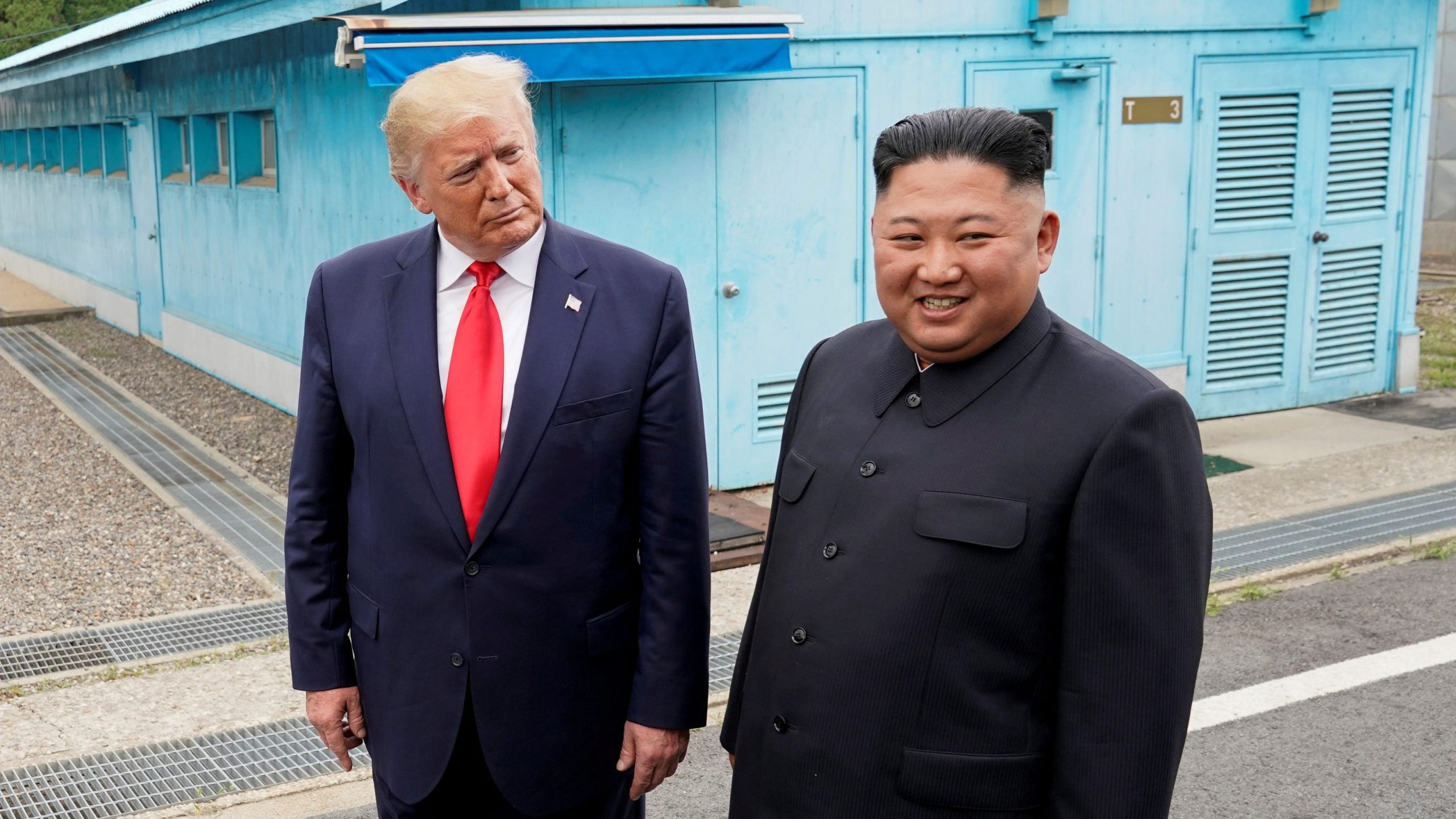
\n\nFor the best part of a decade since he first entered the disorderly world of global diplomacy, President Donald Trump has played fast and loose with U.S. foreign policy. He's repeatedly threatened traditional American allies. He's spent large amounts of time courting and flirting with unpredictable adversaries like North Korea and Russia.
\n\nThe U.S. foreign policy establishment has bristled at this approach, which appears to make allies of foes, and foes of allies. Markets, which crave certainty, don't like it either. U.S. international partners have struggled to adapt to it.
\n\nBut is there a defensible logic to this turn-on-your-friends, win-over your-foes strategy? Or is it simply hastening the decline of American power at a time when China is matching, if not surpassing, the U.S. in various hyper-competitive fields from technology to military advancements, from scientific research to extending the reach of its soft power?
\n\nSome political scientists and former government officials say the answer is Yes and No. Sorta. Somewhat. Alliances are shaking up, resetting, reordering. But…
Original source: https://www.usatoday.com/news/nation/
Author

seoexperts1994@gmail.com
Related Posts
Mayor moves to ban Cornell event permits after rape allegations
- 0
- 211 words
The mayor of Ithaca, the New York city home to Cornell University, called for a ban on student event and special event...
Read out all
Federal court halts execution of Christa Pike in 11th hour
- 0
- 211 words
A federal court has stayed the execution of Christa Pike less than two hours before it was set to be carried out....
Read out all
‘A tired refrain.’ Critics fight adding Trump’s name to Kennedy Center
- 0
- 220 words
WASHINGTON – President Donald Trump's opponents to putting his name on the Kennedy Center called his argument that the venue would fail...
Read out all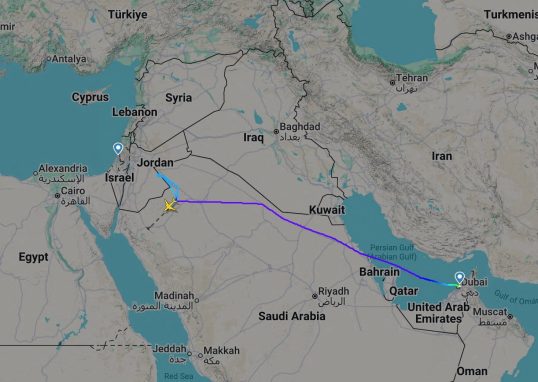
Israel-bound jet lands in Saudi Arabia after apparent pilot fight
- 0
- 214 words
A commercial passenger jet bound for Tel Aviv from Dubai made an emergency landing in Saudi Arabia after an apparent fight broke...
Read out all
Trump to send $500 ACA refund checks to nearly 1 million Americans
- 0
- 204 words
WASHINGTON — President Donald Trump is set on Sept. 30 to start sending $500 checks to nearly 1 million Americans his administration...
Read out all
In 2016, Gretchen Carlson’s lawyer warned: “They’ll kill you”
- 0
- 124 words
More VideosThe battle to stop deepfake abuse before it spreadsSee shark swim in severe New Jersey floodingWhy are so many ICE employees...
Read out all