
- 0
- 772 words
Gen Z is moving back home. They think it’s a smart move
 Daniel de Visé
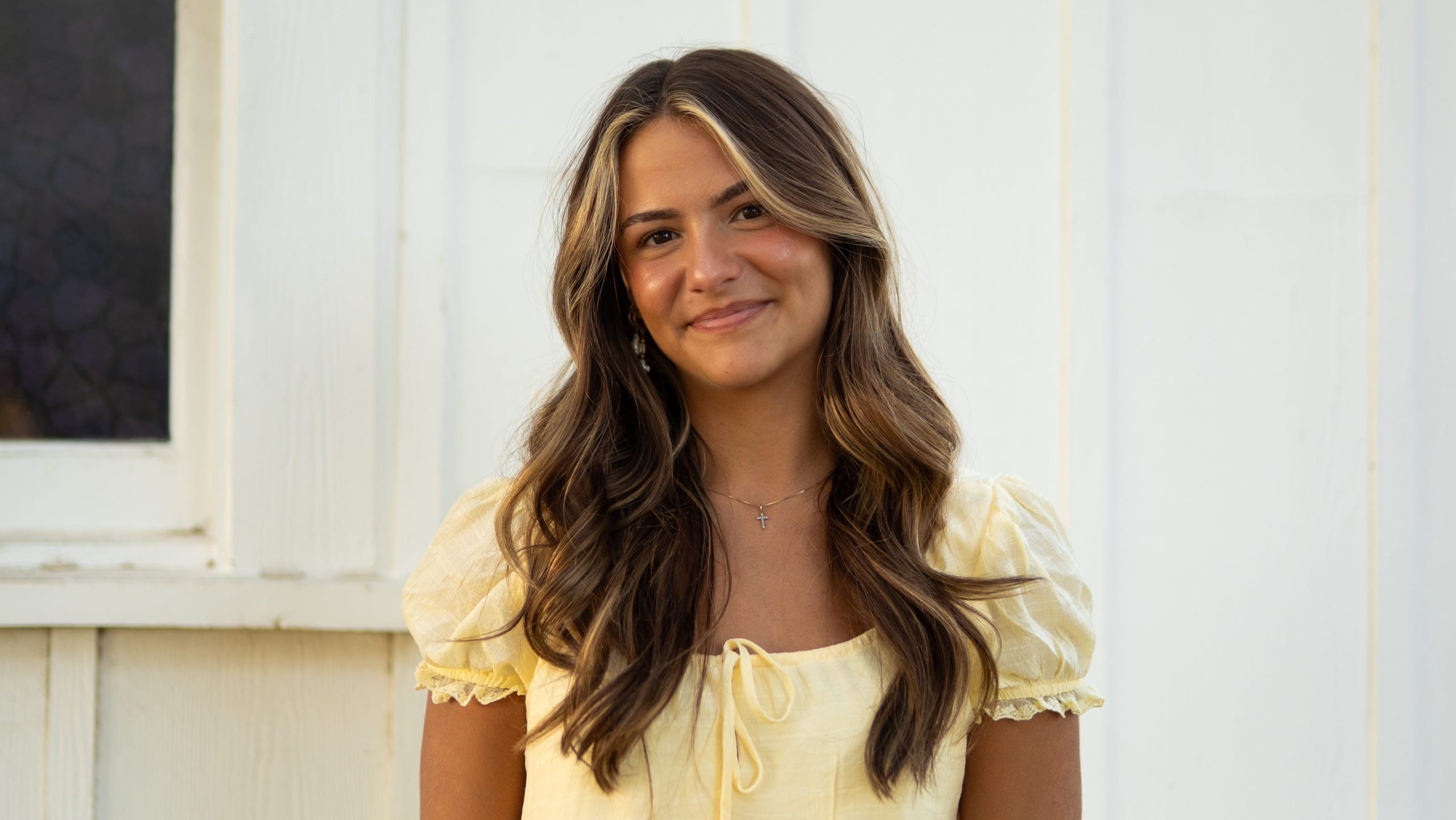
Arianna Hernandez is 22, but her list of recent trips reads like the itinerary of a wealthy boomer: Austria and Italy, Costa Rica and Guatemala, Hawaii and the Virgin Islands.
Friends have joined her on some trips. And here’s how they can afford it: All of them live in their parents’ homes.
“A lot of my closer girlfriends, we all live with our parents, and we like to take trips,” Hernandez said. “And we can kind of do that because we live with our parents.”
A record number of young adults are choosing to live with their parents rather than contemplate the tricky math of renting or owning homes.

Roughly half of recent college graduates returned to parents’ homes after finishing their studies rather than move out on their own, according to a new survey from Clever Real Estate.
More than 25 million adults under age 35 lived with their parents in 2025, according to a June report from Realtor.com that draws on census data. That’s the highest number on record, including the peak of the COVID-19 pandemic, which sent millions of younger Americans back to the parental nest.
Best part of living with parents? ‘I rarely grocery shop’
Hernandez left college last year and joined her parents in their Dallas home. She’s finishing her studies in a self-paced program and working full-time as a social media influencer. She has posted on TikTok about her home life and travels.
In returning home, Hernandez said, her reasoning was essentially this: “Well, if I live with my parents, I could take what I would spend on rent every month and take a trip.”
The best part about living with her parents? “I rarely grocery shop,” she said. “My parents always have food ready. Also, they go on date nights and bring back food.”
The negatives? Space is tight. Hernandez does not share her parents’ interior-design sensibilities. And it’s a 45-minute drive downtown in traffic.
Still, Hernandez senses that living with one’s parents “has been super-normalized. I would be surprised to see a friend kind of moving out on their own when they do have a good relationship with their parents,” she said. “It would almost make no sense to go and get an apartment by yourself.”

One quarter of recent grads say parents pay all their bills
The Clever survey found that half of recent college graduates still rely on parents for financial support. One-quarter of recent grads said parents pay all their bills.
The survey, conducted in June, reached 564 current college students and 436 graduates who earned degrees in the past five years.
Despite the benefits, young adults have mixed feelings about cohabiting with their parents.
Only 7% of current students surveyed said they want to move back into childhood homes, but 49% of recent graduates said they wound up there.
“When you live with your parents, it can be harder to feel like you can establish your independence in the world,” said Clara Haverstic, a data analyst at Clever.
In 2026, living with parents is largely about cost
At the peak of the pandemic, demographic experts say, young adults retreated to their parents’ homes to ride out quarantines and escape big-city crowds.
Now, young adults are returning to childhood homes, or remaining there, mostly because of cost.
The median home is listed for $430,000, according to Realtor.com. That’s 34% higher than home prices in 2019. The median asking rent is $1,673, an 18% increase.
“We’re told the mark of being a successful adult is owning a home, and the reality is that owning a home is incredibly hard to achieve, especially for a recent graduate,” Haverstic said.
Over the past decade, home prices have risen much faster than wages. The rising price-to-income ratio, coupled with elevated interest rates, has put homeownership out of reach for millions of young adults.

She returned home to be near her grandmother
But some young adults return home for reasons more emotional than financial.
Not long after college, Haverstic, 25, moved back to her parents’ family farm in southwest Missouri.
Her goal was to spend more time with her grandmother, who lived in an adjoining home.
“It was just the little things, like having coffee with her in the mornings sometimes,” Haverstic said. “She really liked going into town for dinner.” They watched football together.
Clara’s grandmother, Karin Haverstic, died last October.
“It was sort of important to be there when it mattered,” she said.
Original source: https://www.usatoday.com/money/
Author

seoexperts1994@gmail.com
Related Posts

Is your 1982 penny worth $20,000? Probably not, here’s why
- 0
- 1,190 word
MONEYCoin collectingIs your 1982 penny worth $20,000? Probably not, here's why Mike SniderUSA TODAYAug. 16, 2026, 6:03 a.m. ETCould there be a...
Read out all
Before death, ask yourself how much you trust your trustee
- 0
- 1,440 word
PERSONAL FINANCEBaby BoomersBefore death, ask yourself how much you trust your trustee Medora LeeUSA TODAYAug. 16, 2026, 5:09 a.m. ETTrusts are gaining...
Read out allSecurity video helps lead Oregon detectives to a masked killer who tried to hide the crime
- 0
- 6,094 words
48 Hours Security video helps lead Oregon detectives to a masked killer who tried to hide the crime By Natalie Morales "48...
Read out allFired Ukrainian defense minister says Ukraine is in a “technological war” with Russia
- 0
- 458 words
Exclusive CBS Evening News Fired Ukrainian defense minister says Ukraine is in a "technological war" with Russia By Aidan Stretch Reporter Aidan...
Read out all
Powerball back to $20M tonight after $1B winner
- 0
- 446 words
LOTTERYPowerball (game)Powerball back to $20M tonight after $1B winner Fernando Cervantes Jr.USA TODAYAug. 15, 2026, 9:00 p.m. ETAfter a single ticket matched...
Read out all
Sallie Mae review: Is it the right private student loan for you?
- 0
- 1,634 word
PERSONAL FINANCELoansSallie Mae review: Is it the right private student loan for you?Sharon Wu, CFEISpecial to USA TODAYAug. 15, 2026, 10:04 a.m....
Read out all