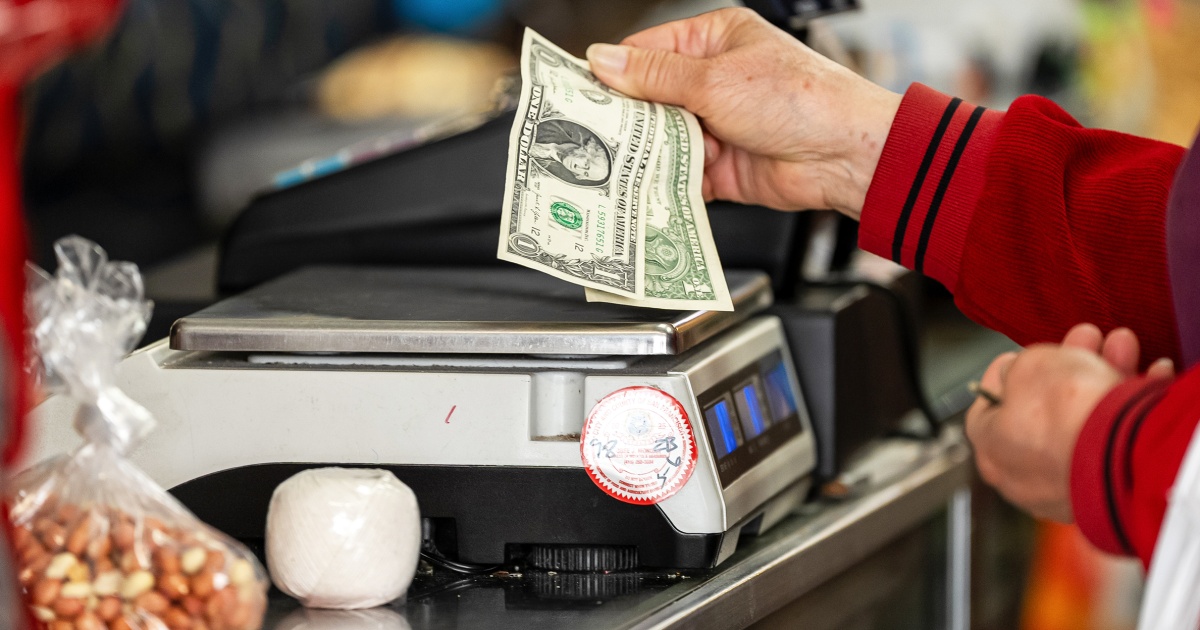
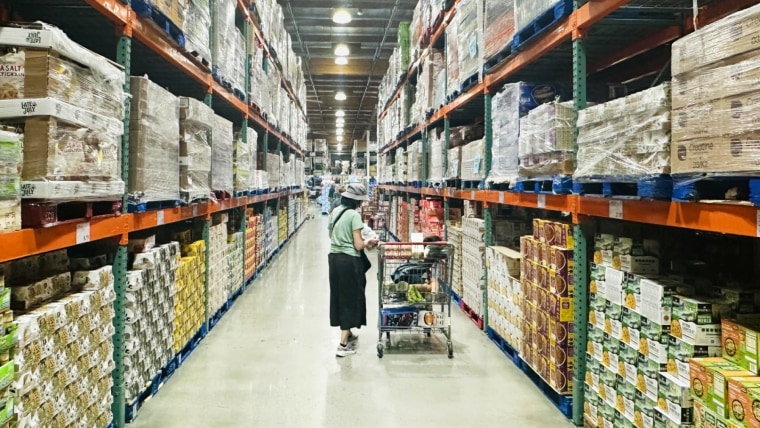
Inflation as measured by the consumer price index rose 0.1% from June to July, the Bureau of Labor Statistics said Wednesday, showing that costs broadly remained elevated for consumers amid volatile energy prices.
From a year ago, inflation dropped slightly to 3.4% from 3.5%. But in another troubling sign for consumers, it remains above the rate of wage growth, which as of last month was pacing at 3.2%, according to the BLS.
Average hourly earnings slipped 0.2% from a year earlier, as well, the agency said Wednesday.
Energy prices, which are the primary cause of inflation’s spike this year, have moved higher as the war with Iran showed no sign of ending soon.
Gasoline prices in Wednesday’s report showed a 2.9% decline during the month, although that is likely in the rearview mirror now. The price of electricity was nearly unchanged month over month, rising 0.1%.
Brent crude oil hit $90 earlier Wednesday morning, while U.S. crude oil rose to almost $84 per barrel. The national regular gas price average also rose Wednesday, once again hitting $4.03 per gallon.
The report showed that the price of medical care, airline fares, communication, education and recreation all increased in the month. However, the cost of motor vehicle insurance was “among the major indexes that decreased,” the BLS said.
The BLS also said that shelter costs rose 0.1% in July, “accounting for roughly two-thirds of the monthly all items increase.” The “index for food also increased 0.1% over the month, as the index for food away from home increased 0.3%,” it said. That index measures the cost to eat out or purchase takeaway food.
Even before Wednesday’s figures, some notable Federal Reserve officials were already calling for a rate hike. The Fed has kept rates unchanged since the United States and Israel launched the Iran war, even as other central banks in Europe and Japan have raised rates.
“Now is the time to act,” Cleveland Fed President Beth Hammack wrote Tuesday on LinkedIn. “The longer we wait to take action to bring inflation back to our 2 percent objective, the more challenging it will be to bring it back down and the more expensive it will be for the American people,” she added.
The Fed’s policy-setting committee will make its next interest rate decision in mid-September.