
- 0
- 450 words
Norah O’Donnell shares private details about her menopause journey
 Sameen Chaudhry
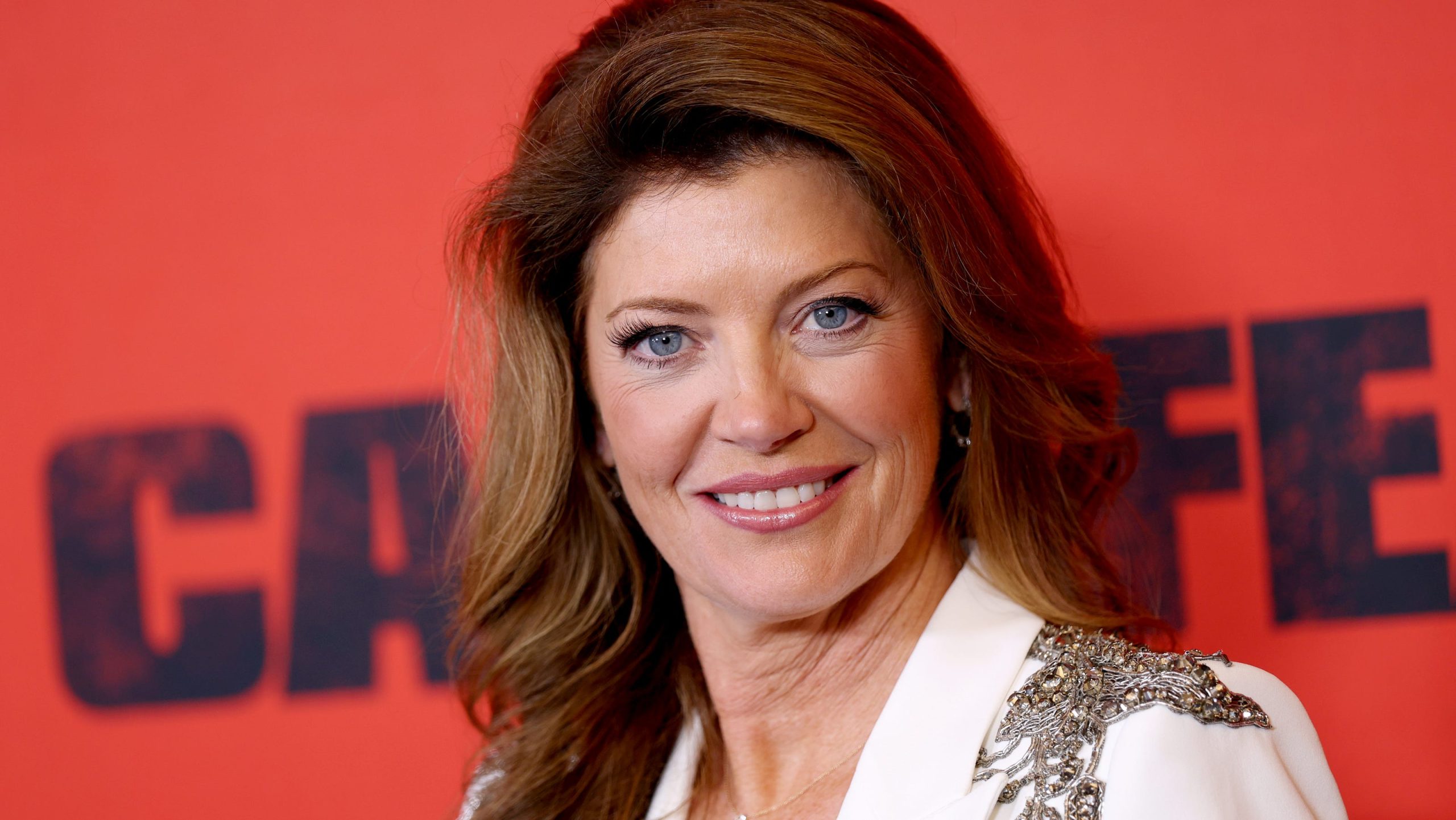
Norah O’Donnell is getting candid about her menopause journey and the hormone treatment she says has helped her along the way.
The CBS News journalist, 52, revealed for the first time that she takes testosterone as part of her hormone regimen while discussing menopause with her doctor, urologist and sexual medicine specialist Dr. Rachel Rubin. The two delved into the intricate subject during the Aug. 12 episode of O’Donnell’s podcast, “Healthful.”
“I’ve never talked about this publicly before, but I use testosterone prescribed by Rubin,” O’Donnell wrote in a CBS article accompanying the episode. She explained that the hormone comes in a tube typically prescribed to men, though she uses it in a significantly smaller dose.
The former “CBS Evening News” anchor said she didn’t experience a single dramatic change after beginning the hormone but instead began noticing its effects gradually while taking it alongside other hormones. “There wasn’t an ‘aha’ moment for me, but I noticed its effects over time, and in concert with other hormones,” she wrote.

Rubin called menopause a “castration event,” explaining that it essentially means the ovaries are turning off. “Whether it’s supposed to happen or not, we are outliving our ovaries.”
During their conversation, Rubin explained how levels of estrogen, progesterone and testosterone change as women enter menopause and discussed the role the hormones play throughout the body. She went on to describe the potential benefits women may experience from taking testosterone during menopause and perimenopause. There are currently no testosterone products approved by the U.S. Food and Drug Administration specifically for women, though doctors can prescribe testosterone off-label.

Rubin said there is international consensus supporting the use of testosterone therapy for certain menopausal and perimenopausal women experiencing low sexual desire. She added that some of her patients have reported noticing benefits beyond their libido.
“I just feel more like me,” Rubin said patients have told her.
O’Donnell and Rubin also discussed other symptoms that can usually accompany menopause, such as hot flashes, sleep problems, mood swings, weight gain and memory issues.

“You’re not making the hormones that you were during your reproductive years, and that has consequences because you have hormone receptors throughout your entire body,” Rubin explained.
O’Donnell has recently turned her attention toward women’s health through “Healthful,” which launched in July. The CBS podcast features conversations with professionals like doctors, psychiatrists and other experts about topics ranging from reproductive health and menopause to cancer and postpartum health.
Original source: https://www.usatoday.com/entertainment/
Author

seoexperts1994@gmail.com
Related Posts
Jon Batiste cancels concerts, citing ‘personal circumstances’
- 0
- 470 words
MUSICJon BatisteJon Batiste cancels concerts, citing 'personal circumstances' KiMi RobinsonUSA TODAYUpdated Aug. 12, 2026, 6:52 p.m. ETJon Batiste is taking an unexpected...
Read out all
Jenna Bush Hager says being the president’s daughter earned her ‘Today’ job
- 0
- 421 words
CELEBRITIESJenna HagerJenna Bush Hager says being the president's daughter earned her 'Today' job KiMi RobinsonUSA TODAYAug. 12, 2026, 8:31 p.m. ETJenna Bush...
Read out all
NFL preseason week 1 is here, how to watch the games with Sling
- 0
- 1,068 word
STREAMINGStreaming ServicesNFL preseason week 1 is here, how to watch the games with Sling David HoffmanUSA TODAYAug. 13, 2026, 1:59 p.m. ETWeek...
Read out all
Kelly Ripa reveals surprising ‘bad habit’ that led to gum surgery
- 0
- 475 words
CELEBRITIESKelly RipaKelly Ripa reveals surprising 'bad habit' that led to gum surgeryThe "Live with Kelly and Mark" host took a hiatus from...
Read out all
Michael Jackson child sex abuse case won’t move forward in court
- 0
- 578 words
CELEBRITIESCelebritiesMichael Jackson child sex abuse case won't move forward in courtLiza EsquibiasUSA TODAYUpdated Aug. 13, 2026, 3:17 p.m. ETThe Cascio family's lawsuit...
Read out all
NBA YoungBoy moves to South Korea, will ‘never’ return to US
- 0
- 409 words
CELEBRITIESSouth KoreaNBA YoungBoy moves to South Korea, will 'never' return to US Sameen ChaudhryUSA TODAYUpdated Aug. 13, 2026, 11:03 a.m. ETNBA YoungBoy...
Read out all