- 0
- 551 words
Partial solar eclipse will be visible in some US states. See map
 Melina Khan
The moon will slip in front of the sun and create a total solar eclipse visible in some countries on Aug. 12.
However, this time around, the phenomenon will only be partially visible in the United States.
The total solar eclipse will only be seen in areas of Greenland, Iceland, Portugal, Russia and Spain. The path of totality falls across most of Europe and in northwestern Africa, according to NASA.
But for most people, including anyone in the United States, the moon will not completely block the sun during the Aug. 12 event, instead being a partial eclipse.
According to NASA, a partial solar eclipse occurs when the moon passes between the sun and earth, but the three are not perfectly lined up. Instead, only a part of the sun will appear to be covered, giving it a crescent shape.
Here’s what to know about seeing the partial solar eclipse, including where it can be viewed.

How to see partial solar eclipse

Because the moon does not completely block the sun during a partial solar eclipse, it is not safe to look directly at the eclipse without proper eye protection, according to NASA.
Instead, to view a partial solar eclipse, people should use solar eclipse glasses that are properly filtered.
In addition, NASA says it is unsafe to look at the sun during a partial solar eclipse through a camera lens, telescope, binoculars or other optical devices without a special-purpose solar filter because the solar rays will burn through the filter and cause a serious eye injury.
Without eclipse glasses, there are alternative options for safely viewing the partial solar eclipse.
One way is to use a pinhole projector, which involves using a cardboard box and tinfoil to create a small opening in order to project an image of the sun. A full tutorial of how to create a safe pinhole projector is available on NASA’s website.
See map of states that could get a glimpse of partial solar eclipse
The partial solar eclipse will be visible in many states across the northern United States, according to Time and Date and NASA.
People in Alaska will get to see the most coverage of the partial solar eclipse at more than 20%. Various cities in New England and New York will also have between 10-20% maximum coverage, per NASA.
The full list of areas, including 26 states and Washington, DC, where people can view the partial eclipse include the following, according to Time and Date:
- Alaska
- Connecticut
- Delaware
- Illinois
- Indiana
- Iowa
- Kentucky
- Maine
- Maryland
- Massachusetts
- Michigan
- Minnesota
- Montana
- New Hampshire
- New Jersey
- New York
- North Carolina
- North Dakota
- Ohio
- Pennsylvania
- Rhode Island
- South Dakota
- Vermont
- Virginia
- Washington DC
- West Virginia
- Wisconsin
See the map below for states included in the partial coverage area:
See list of eclipse times in cities across the US
The timing of the partial eclipse in the United States varies by city and state.
See a list from NASA below:
This story has been updated.
Melina Khan is a national trending reporter for USA TODAY. Keep up with her on X @melinakh and Instagram @bymelinakhan.
Original source: https://www.usatoday.com/news/nation/
Author

seoexperts1994@gmail.com
Related Posts

Mayor moves to ban Cornell event permits after rape allegations
- 0
- 211 words
The mayor of Ithaca, the New York city home to Cornell University, called for a ban on student event and special event...
Read out all
Federal court halts execution of Christa Pike in 11th hour
- 0
- 211 words
A federal court has stayed the execution of Christa Pike less than two hours before it was set to be carried out....
Read out all
‘A tired refrain.’ Critics fight adding Trump’s name to Kennedy Center
- 0
- 220 words
WASHINGTON – President Donald Trump's opponents to putting his name on the Kennedy Center called his argument that the venue would fail...
Read out all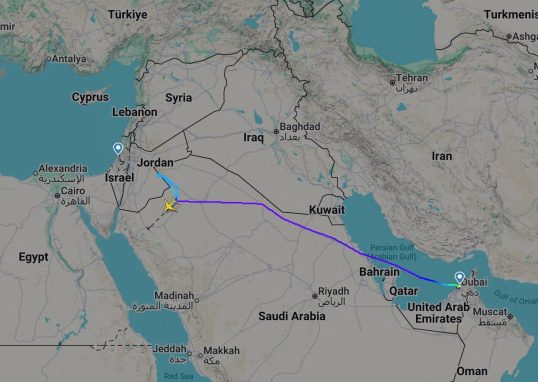
Israel-bound jet lands in Saudi Arabia after apparent pilot fight
- 0
- 214 words
A commercial passenger jet bound for Tel Aviv from Dubai made an emergency landing in Saudi Arabia after an apparent fight broke...
Read out all
Trump to send $500 ACA refund checks to nearly 1 million Americans
- 0
- 204 words
WASHINGTON — President Donald Trump is set on Sept. 30 to start sending $500 checks to nearly 1 million Americans his administration...
Read out all
In 2016, Gretchen Carlson’s lawyer warned: “They’ll kill you”
- 0
- 124 words
More VideosThe battle to stop deepfake abuse before it spreadsSee shark swim in severe New Jersey floodingWhy are so many ICE employees...
Read out all