- 0
- 763 words
Trump’s 50% Canada tariffs arrive this week. What’s at stake?
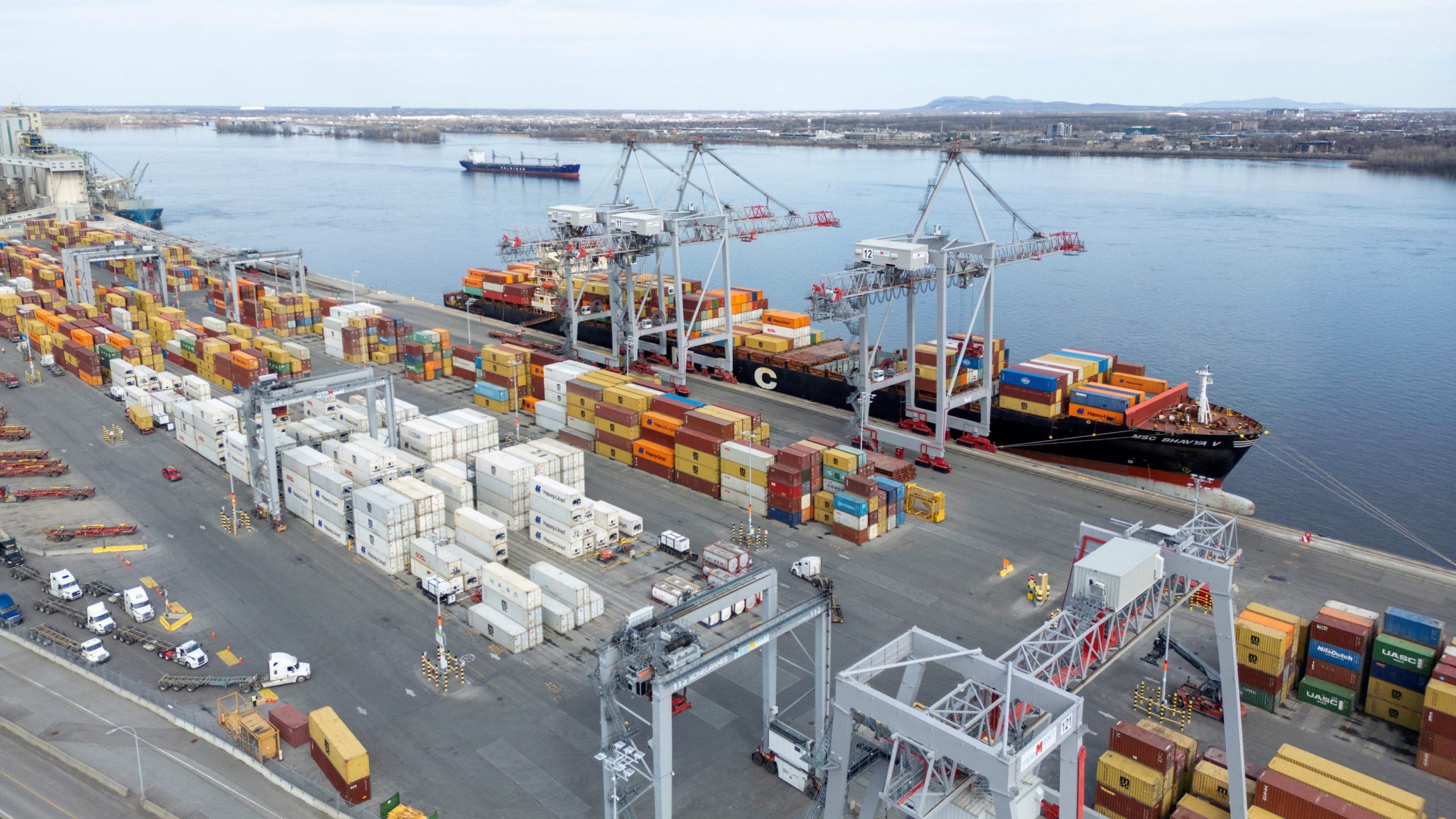
Canada faces a new round of 50% U.S. tariffs this week that businesses said could cause job losses in some already struggling industries, while complicating broader negotiations over the future of North America’s free trade agreement.
U.S. President Donald Trump last month invoked Section 338 of a Depression-era U.S. law called the Tariff Act of 1930 to impose duties starting on Wednesday on a range of Canadian imports including wine, furniture, dairy products, cement, clothing, fishing rods, hockey equipment and some other goods.
That provision permits the U.S. president to impose punitive tariffs of up to 50% against trading partners deemed to have discriminated against U.S. goods.
Trump’s unprecedented use of this power is part of his hardline approach toward trade with Canada since he returned to the presidency last year. Canada is the No. 2 trading partner of the United States, behind only Mexico.

The tariffs would cover nearly $20 billion of Canadian goods, amounting to about 5.2% of the $383 billion worth of goods the United States imported from Canada in 2025, according to U.S. Census Bureau data.
As the tariff deadline draws near, Canada’s minister responsible for U.S. trade relations, Dominic LeBlanc, and its chief trade negotiator, Janice Charette, have stepped up talks with their U.S. counterparts.
Canada and the U.S. are still far from reaching a draft trade deal despite regular meetings, LeBlanc told an advisory committee on Friday, according to a source briefed on the matter. LeBlanc and Charette stayed in Washington over the weekend to continue talks.
Unlike many of Trump’s earlier tariffs, the new duties would apply even to products that qualify for preferential treatment under the U.S.-Mexico-Canada Agreement, which has shielded much of Canadian trade from tariffs, posing an added risk to Canada’s economy.
Last month, Trump refused to extend the USMCA agreement for another 16 years, subjecting the pact to annual reviews, a process that is likely to prolong the trade uncertainty which has sapped investments and job growth in Canada.
Individual sectors could face the brunt of these tariffs, leading to more job losses and lower growth. Canada’s struggling wood product sector and the wine industry, already affected by raging wildfires in the country’s west, could be hit hard by the new tariffs.
Alain Ouzilleau, owner of Cabico Ltd, a custom kitchen cabinet brand in Canada, said that if the tariffs are imposed the consequences for the industry could be severe.
“A 50% tariff is simply not something that manufacturers can absorb, nor can we reasonably expect our U.S. customers to absorb it. … It could make certain Canadian-made products economically noncompetitive in the U.S. market virtually overnight,” Ouzilleau said.

Small and medium-sized businesses could be particularly vulnerable because many rely heavily on tariff-free access to U.S. customers.
“If the tariffs come into effect … they will cause massive dislocation for small businesses that rely on U.S. clients and American buyers that rely on Canadian suppliers,” said Dan Kelly, president of the Canadian Federation of Independent Business.
Broader talks at stake
The tariffs would still maintain Canada as one of the lowest tariff rate countries to export to the United States, according to Joseph Steinberg, a University of Toronto economics professor. Steinberg said the greater concern is whether another escalation in the U.S.-Canada trade dispute halts talks over the broader USMCA agreement and what happens to the affected sectors.
“In the macroeconomic sense, the tariffs are actually not that big of a deal,” Steinberg said.
LeBlanc has met with U.S. Trade Representative Jamieson Greer five times, including a virtual meeting on Sunday, in four weeks as the two nations seek an agreement before Wednesday’s deadline.
Greer has pressed Canada over its dairy system and the removal of U.S. alcohol from stores in several provinces, issues that trade experts expect to feature prominently in any agreement.
Ted McKinney, CEO of the U.S. National Association of State Departments of Agriculture, called dairy the most contentious agricultural issue.
“It is more than a sticking point,” McKinney said. “It is probably the major issue.”
The Tariff Act of 1930 and its Section 338 are best known for massive U.S. tariff increases and subsequent retaliation that economic historians say worsened the Great Depression of the 1930s.
(Reporting by Promit Mukherjee and Ed White; Editing by Caroline Stauffer and Will Dunham)
Original source: https://www.usatoday.com/money/
Author

seoexperts1994@gmail.com
Related Posts

Is College Ave the right student loan lender for you?
- 0
- 2,626 words
CREDIT & DEBTLoansIs College Ave the right student loan lender for you?Rebecca SafierSpecial to USA TODAYAug. 17, 2026, 5:09 p.m. ETCollege Ave...
Read out all
Trump’s crypto company made him $800 million. Now it’s a real bank
- 0
- 757 words
POLITICSCryptocurrencyTrump's crypto company made him $800 million. Now it's a real bank Erin MansfieldUSA TODAYAug. 17, 2026, 4:28 p.m. ETThe cryptocurrency company...
Read out all‘Polyester’ is Gen Z’s newest viral insult. Here’s what it means.
- 0
- 696 words
HEALTH AND WELLNESSGeneration Z'Polyester’ is Gen Z’s newest viral insult. Here’s what it means.Rachel Hale Owen CarryUSA TODAYUpdated Aug. 17, 2026, 8:55...
Read out all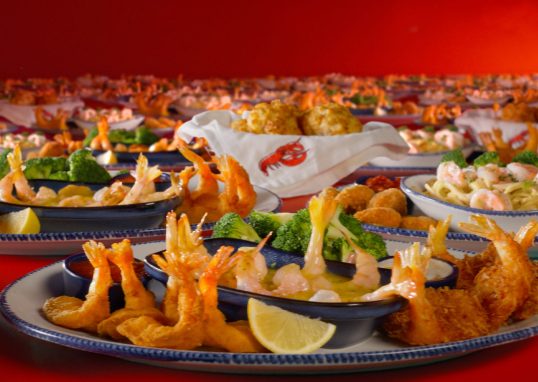
Red Lobster Endless Shrimp fans are in for a treat
- 0
- 557 words
FOODSeafood RestaurantsRed Lobster Endless Shrimp fans are in for a treatGabe Hauari Greta CrossUSA TODAYAug. 17, 2026, 1:30 p.m. ETRed Lobster brought...
Read out all
Mortgage closing costs explained: Fees, averages and who pays
- 0
- 2,147 words
REAL ESTATELoansMortgage closing costs explained: Fees, averages and who paysRebecca SafierSpecial to USA TODAYAug. 17, 2026, 12:34 p.m. ETClosing costs are fees...
Read out all
8 signs your transmission is about to fail (and what to do about it)
- 0
- 1,428 word
HOME SERVICESCars8 signs your transmission is about to fail (and what to do about it)Michael KurkoSpecial to USA TODAYAug. 17, 2026, 11:35...
Read out all