
- 0
- 844 words
Will clocks fall back on Nov. 1? Here’s the latest
 Saman Shafiq
The countdown to the next clock change is on, but President Donald Trump wants it to be one of the last.
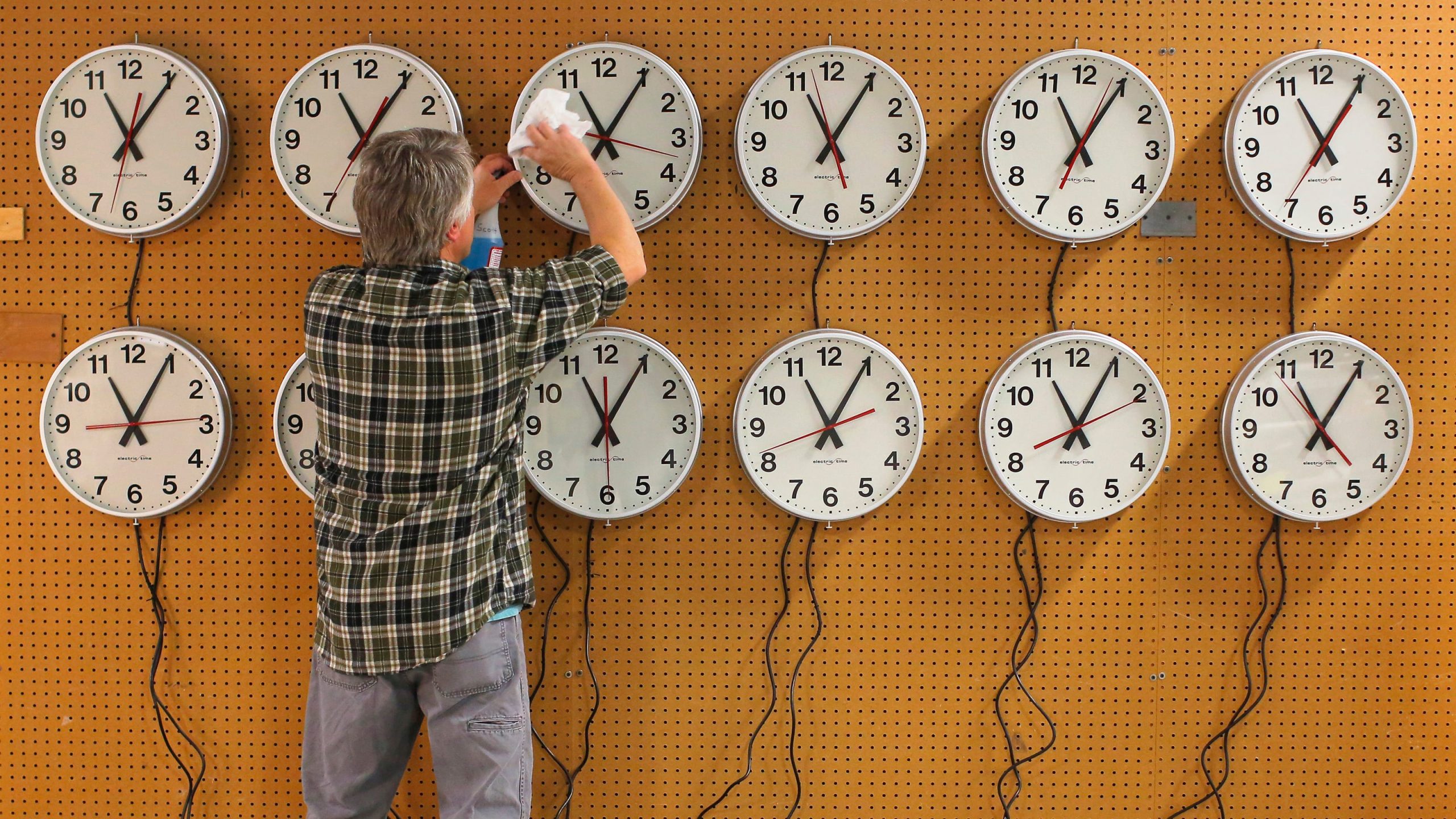
Americans are still expected to turn their clocks back on Nov. 1 as daylight saving time comes to an end, even after the House passed legislation that would keep clocks forward year-round. The catch? The Senate is in recess until Sept. 14, and key lawmakers have questioned whether there are enough votes to pass the measure before the fall time change arrives.
That means millions of Americans are once again asking a familiar question: Will this finally be the year the country stops changing its clocks? For now, the answer appears to be no.

Why daylight saving time is suddenly back in the spotlight
The debate has gained new attention after Trump publicly urged senators to approve the Sunshine Protection Act, which would make daylight saving time permanent and eliminate the twice-yearly clock changes.
The House approved the bill in July, but its fate in the Senate remains uncertain. With less than three months until clocks are set to “fall back,” lawmakers are running short on time if they hope to change the system before Nov. 1.
Trump wants to keep clocks forward year-round
Trump has long supported ending the twice-yearly clock changes.
In an Aug. 4 post on Truth Social, he called the practice “foolish, inconvenient and, in some cases, very costly.”
“People are sick and tired of having to change their clocks twice a year,” Trump wrote.
The president argued Americans overwhelmingly support the move and highlighted what he described as the benefits of permanent daylight saving time, including fewer traffic accidents, lower crime, energy savings and more time for families and outdoor activities.
“In other words, leave it as it is now, and never change again,” Trump wrote. “LET’S PASS THE SUNSHINE PROTECTION ACT, ASAP.”

Will the Senate pass the bill?
That’s far from certain.
Even with support from Trump and lawmakers in both parties, Senate Majority Leader John Thune, R-South Dakota, has questioned whether enough senators support the legislation.
If the Senate approves the measure, it would head to Trump’s desk for his signature. Until that happens, Americans should still plan on changing their clocks Nov. 1.
Not everyone agrees on the solution
While many experts support ending the clock changes, they don’t necessarily agree with Trump’s preferred approach.
Sleep and health researchers say moving clocks twice a year disrupts the body’s circadian rhythm, which regulates sleep and other biological functions. The spring time change, when clocks move forward an hour, has been linked to sleep disruption, traffic crashes and increased health risks.
But many specialists argue permanent standard time, not permanent daylight saving time, would be the healthier option.
Erik Herzog, a biology and neuroscience professor at Washington University in St. Louis and former president of the Society for Research on Biological Rhythms, previously told USA TODAY that permanent standard time would better align with the body’s natural clock.

Religious groups have concerns, too
Some religious communities also oppose permanent daylight saving time.
Rabbi Josh Joseph of the Orthodox Union said many Jewish religious practices are tied to sunrise and sunset, which determine prayer times and observances. Later winter sunrises could make morning prayers more difficult, particularly in parts of the Midwest and Mountain West.
Some Muslim communities have raised similar concerns because certain daily prayers must be completed by dawn.
When does daylight saving time end in 2026?
Unless Congress acts, daylight saving time will end at 2 a.m. local time on Sunday, Nov. 1, 2026, when clocks move back one hour to 1 a.m.
The shift gives Americans an extra hour of sleep but also brings earlier sunsets throughout the winter.
Do all states observe daylight saving time?
No. Several states and U.S. territories remain on standard time year-round:
- Hawaii
- Most of Arizona (except the Navajo Nation)
- American Samoa
- Guam
- Northern Mariana Islands
- Puerto Rico
- U.S. Virgin Islands
Most of the rest of the country continues to switch between daylight saving time and standard time each year.
Americans are ready to stop changing the clocks
Public opinion polls suggest many Americans have grown tired of the twice-yearly ritual.
A 2023 YouGov survey found 62% favored eliminating clock changes. A January 2025 Gallup poll found 54% wanted to end the practice, though Americans were divided over whether the nation should adopt permanent daylight saving time or permanent standard time.
For now, however, the annual fall clock change remains on the schedule. Unless Congress acts quickly after returning from recess, Americans should still expect to turn their clocks back on Nov. 1.
Contributing: Reuters; Bart Jensen, Zachary Schermele, Jorge L. Ortiz, Fernando Cervantes Jr., Emily DeLetter, Julia Gomez, Kinsey Crowley, Marc Ramirez / USA TODAY
Saman Shafiq is a trending news reporter for USA TODAY. Reach her at sshafiq@gannett.com and follow her on X and Instagram @saman_shafiq7.
Original source: https://www.usatoday.com/news/nation/
Author

seoexperts1994@gmail.com
Related Posts

As new blazes emerge, crews battle nearly 200 wildfires across US
- 0
- 527 words
NATIONSpencer CoxAs new blazes emerge, crews battle nearly 200 wildfires across US Karissa WaddickUSA TODAYAug. 9, 2026, 11:00 p.m. ETMore than 20,000...
Read out allUS political breaking news and analysis – USA TODAY
- 0
- 347 words
AOC addresses 2028 presidential buzz, egg-freezing decision Pentagon asks defense contractors for plans to speed weapons outputTrump jokes about selling his endorsement...
Read out allUS and National Weather News and Forecasts – USATODAY.com
- 0
- 97 words
Dangerous heat fuels wildfire concerns, severe storms across USPuerto Rico rationing water amid drought Hurricane forecasters are watching 2 potential systems in...
Read out allCorrections & Clarifications 2026
- 0
- 2,515 words
NEWSNewsCorrections & Clarifications 2026USA TODAYJan. 11, 2026Updated Aug. 7, 2026, 11:25 a.m. ETWe recognize that mistakes may happen – or that new...
Read out allUSA TODAY Investigations: Digging deeper for the stories that matter
- 0
- 525 words
New exam loved by conservatives drove up Florida’s high school grad rateMap shows where military bases delayed toxic PFAS cleanupExclusive: Castro heir...
Read out all
U.S. Immigration News – USA TODAY
- 0
- 256 words
Is ICE using too much force? New poll shows big public opinion shift Dean, Deluzio, Lee demand overhaul at Moshannon ICE facility....
Read out all