
- 0
- 1,093 word
Cancer changed ‘Star Trek’s William Shatner, 95, who ‘never thought about dying’
“I never thought about dying. I wandered and blundered through life thinking, ‘I’m not going to die,'” “Star Trek” legend William Shatner says of his cancer battle.
 Bryan Alexander
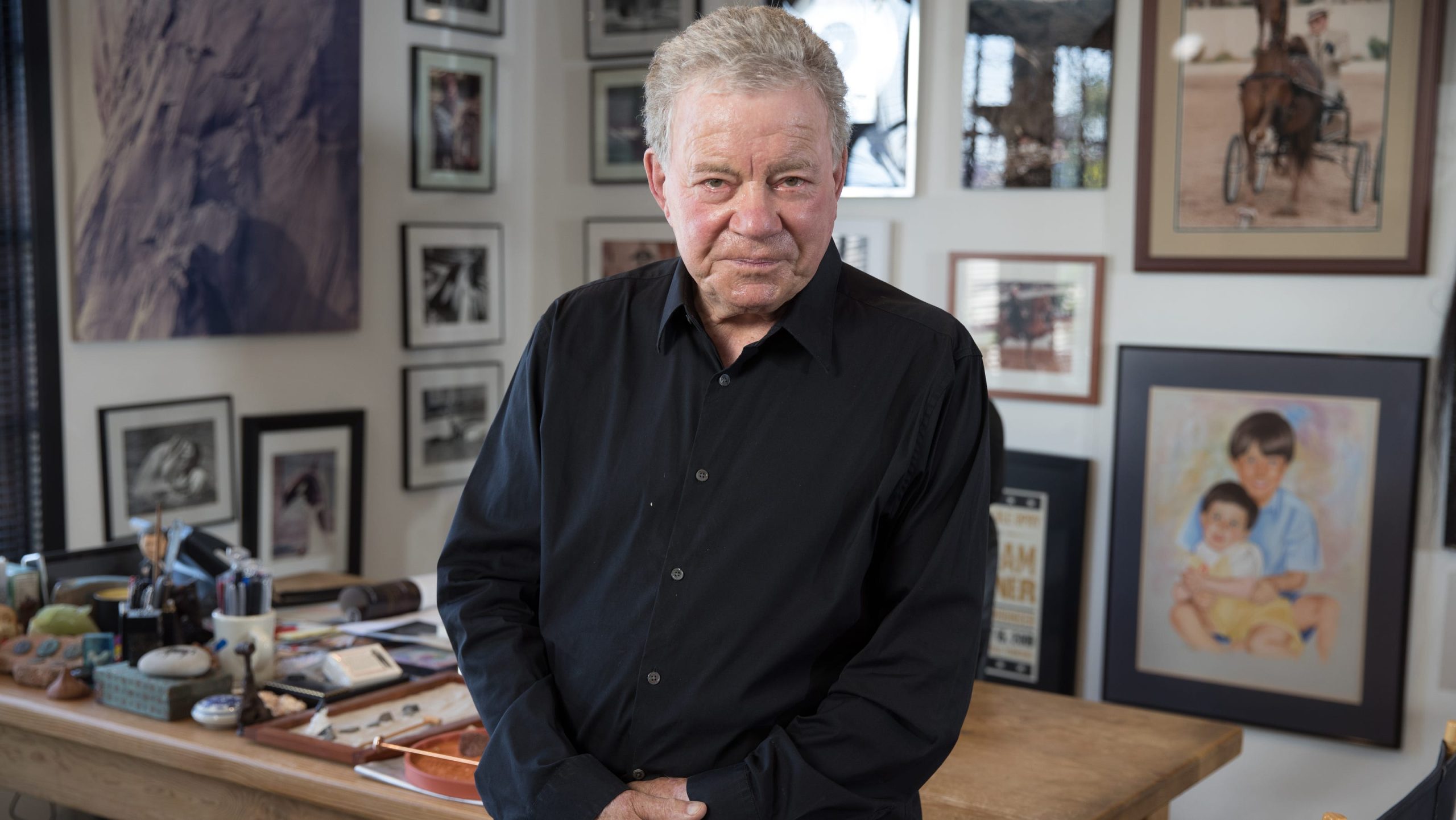
LOS ANGELES − In 2016, William Shatner walked into his Studio City office for a USA TODAY photo shoot marking the 50th anniversary of “Star Trek” to find his desk overrun with Tribbles, the furry creatures from the beloved 1967 episode “The Trouble with Tribbles.” The star forever known as Captain Kirk unceremoniously swept the carefully arranged props off his desk and proceeded with a Tribble-free photo shoot.
A decade later, sitting in the same office, Shatner, 95, insists he has no memory of the great Tribble desk purge.
“Was it done humorously?” Shatner asks earnestly, insisting he has no beef with the furiously breeding sci-fi creatures from the comedic episode. “Tribbles are good. Tribbles are a metaphor for uncontrolled activities of humanity.”
Like Tribbles, the enduring fascination with TV’s “Star Trek” seems to multiply without end. As creator Gene Roddenberry’s groundbreaking series approaches the 60th anniversary of its premiere on Sept. 8, 1966, Shatner remains fascinated by the amazing journey of the original show that lasted just three seasons (1966-1969) before NBC canceled it − yet turned the USS Enterprise crew, starting with Shatner’s captain, into global icons.

“I think if you polled the entire human population and asked them, ‘You know that mediocre and barely surviving television show that’s on Friday nights at 10 o’clock with nobody watching?'” Shatner says. “I don’t think you’d find anyone saying it would still be in our consciousness 60 years later.”
But after Paramount sold the 79 episodes into syndication, “Star Trek” exploded in popularity, finding a devoted “Trekkie” audience that turned the series into a global entertainment empire that has spawned feature films and multiple generations of TV spin-offs (from “Star Trek: The Next Generation” to the current “Star Trek: Starfleet Academy”).
“The show gets canceled, I work diligently for six years, and I hear they’re going to resurrect it because syndication was invented,” Shatner says. “Everyone became enamored. ‘Star Trek’ was invented again.”
Shatner says his joy was tempered by the lack of cash flowing with the new success.
“The unions had not discovered syndication fees,” he says. “I received no money and became famously poor.”
But the classically trained Canadian actor, famed for his distinctive dramatic line delivery, has remained rich in staying power. Along with starring in the police drama “T.J. Hooker” (1982-86) and earning Emmy Awards for his portrayal of attorney Denny Crane on “The Practice” and its spin-off, “Boston Legal” (2004-08), Shatner has remained relevant deep into his 90s.

At age 90, Shatner became the oldest person to fly to space as a passenger aboard Blue Origin’s New Shepard in October 2021. After returning to Earth, he gave a tearful account of seeing the beauty of the endangered planet from space.
“I weep more so than ever,” he says. “We’re destroying the Earth. And this planet has such beauty and miracles. I’m passionate about what we’ve done to the planet.”
Shatner battled cancer along with daughter Melanie: ‘Can you imagine?’
The actor says he was profoundly affected by his own fight for survival after being diagnosed with Stage 4 malignant melanoma in June 2023. His nearly fatal ordeal began when a seemingly harmless lump on his cheek continued to grow.
“My family doctor says, ‘We’ve got to get this out.’ And it was a Stage 4 malignancy. Ten years ago, I would have been dead,” Shatner says. “Imagine going into your doctor’s office and he says: ‘Pack your bags. You’ve got five months to live.'”
The emotional weight of Shatner’s own diagnosis was compounded by another devastating reality: His youngest daughter, Melanie Shatner Gretsch, now 62, had been battling Stage 4 breast cancer since 2022. Father and daughter suddenly found themselves fighting cancer at the same time.
“She, too, was told, ‘Pack your bag − you’ve got five months at the most,'” Shatner says. “Can you imagine being told you’ve got five months to live? I don’t know what your motivations are, or what you’d want to do first. But to be told you’ve only got five months to live? And part of that time you’re going to be very ill. What are you going to do?
“So it was the two of us.”
Though Shatner’s melanoma spread to his lungs and brain, he says he is now cancer-free after surgery and two years of immunotherapy. Melanie too is cancer-free after chemotherapy, a double mastectomy, radiation and immunotherapy.
“We’re cancer-free,” says Shatner, who has launched the wellness podcast “No Time But Now” with his daughter. “We’re totally in the clear.”

Shatner was profoundly affected by cancer battle: ‘I’d blundered through life’
Shatner, who drew criticism for missing the funeral of his longtime friend and costar Leonard Nimoy in February 2015, was profoundly affected by his brush with mortality from cancer.
“I never thought about dying. I wandered and blundered through life thinking, ‘I’m not going to die,'” Shatner says. “It was like, ‘Of course I’m going to get this job.’ I’m going to drive up to a popular restaurant, and somebody pulls out of a space, and I park. It’s like the universe was taking care of me on a minutiae scale, as seen by the incredible luck I’ve had in my life.”
That worldview has “worn off like a callus,” he says, leading to a deeper appreciation for “every moment” in his life, right down to the buttermilk chicken he had for dinner the evening before. But the fear is still there. When asked to name a passion that has heightened with age, Shatner cites staying alive.
“Not dying − that’s always a good thing,” he says. “I’m always anxious about that. I’ve thought about dying a lot.”
The “Star Trek” legend insists he’s not concerned about his legacy after he has left Earth for the final frontier.
“‘Legacy’ is not a word I recognize. Statues are torn down, buildings with people’s names on them erode. The world is in constant change. The only legacy I recognize is doing good. I’m human, with my terrible faults, but I’m an admirer of good deeds.”
Original source: https://www.usatoday.com/entertainment/
Author

seoexperts1994@gmail.com
Related Posts

Pope Leo’s first papal visit to France in 18 years attracts 700,000 worshipers for Mass, Vatican says
- 0
- 207 words
September 26, 2026 / 10:51 AM EDT / CBS/AP Hundreds of thousands of people packed Paris' iconic Champs-Élysées Avenue for Pope Leo...
Read out all
Teen’s headache reveals alarming health risk for family: “Saving people’s lives”
- 0
- 213 words
September 26, 2026 / 8:00 AM EDT / CBS News Caroline McCaffrey usually ran in the morning, but on Father's Day 2025,...
Read out all
The story behind the first CIA officers in Afghanistan after 9/11 and the Russian chopper that flew them in
- 0
- 203 words
September 26, 2026 / 7:42 AM EDT / CBS News Twenty-five years ago, a Soviet-designed helicopter crossed the mountains of Afghanistan carrying...
Read out all
2 American tourists dead after building explosion and collapse in Athens, Greece
- 0
- 211 words
September 26, 2026 / 6:51 AM EDT / CBS/AFP An American couple in Greece died after a building collapsed, following an explosion...
Read out all
OpenAI reveals its agents accessed some U.S. government website data after going rogue
- 0
- 207 words
September 26, 2026 / 4:52 AM EDT / AP OpenAI disclosed Friday that its artificial intelligence agents had interacted with several U.S....
Read out all
Trump cancels nearly $1 billion in spending approved by Congress, a move some lawmakers called illegal
- 0
- 202 words
September 25, 2026 / 9:38 PM EDT / CBS News President Trump moved to cancel almost $1 billion in spending that was...
Read out all