- 0
- 751 words
Trump calls for lower interest rates as Fed officials watch inflation
 Rachel Barber
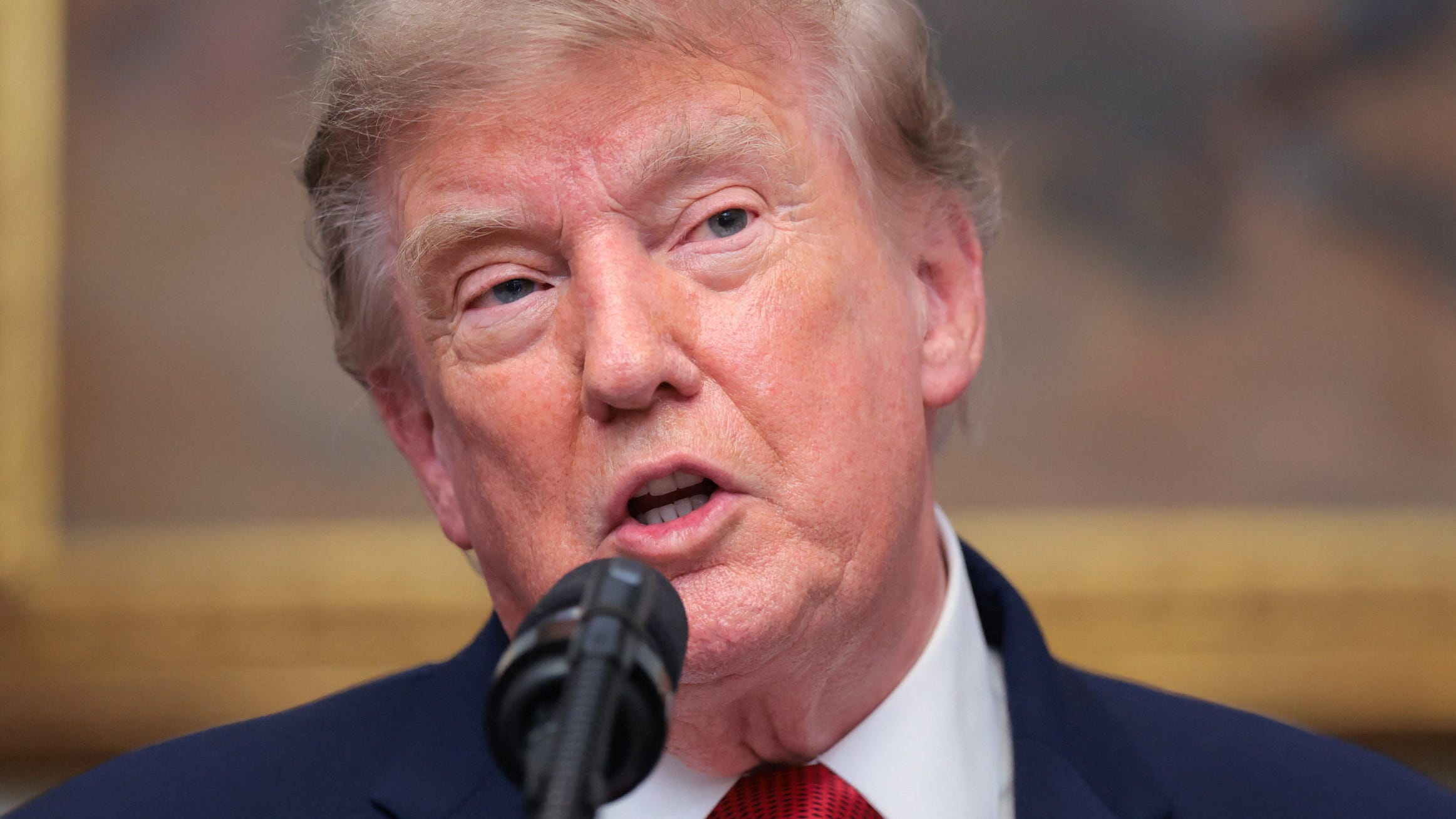
President Donald Trump again pressured the Federal Reserve to lower its benchmark for interest rates, insisting rates are “artificially high” the same day the Treasury Department announced the U.S. national debt surpassed $40 trillion, though many forecasters are still predicting the Fed will hold its target range steady at its next meeting in September.
While the president said Fed Chair Kevin Warsh, whom he nominated to the position earlier this year, is doing “a great job,” he implied other members of the rate-setting committee may have political motives when casting their votes. Trump consistently criticized former Fed Chair Jerome Powell for the same reason after nominating him to the role in 2017. Powell remains on the committee as a governor. He and other committee members, including Warsh, have repeatedly affirmed their independence from politics.
“The problem is he has a board, and it’s a political board,” Trump told reporters Aug. 19 while speaking alongside crypto executives at the White House. “People put in by Obama, Biden, and me, and there are quite a few members still left, as you understand, and so they vote to raise interest rates. I don’t know if they’re doing it because they think they’re doing a good thing or because they like the politics of it.”

The Federal Open Market Committee as a whole has not voted to raise the federal funds rate since July 2023. It voted to lower the rate three times late last year and has held it steady so far in 2026. At its most recent meeting in July, three committee members dissented from the decision, preferring to raise the target range by a quarter-point. The federal funds rate still stands at a range of 3.5% to 3.75%.
“My point is, years ago, 25 years ago, when the country announced good numbers, interest rates went down because we had a stronger country,” Trump said. “Now, when we announce good numbers, the better they are, the worse it is for interest rates.”
The Fed considers a wide array of economic data when making its interest rate decisions. The committee typically raises the federal funds rate to tame inflation and lowers it when it’s concerned about slowing in the job market.
A higher federal funds rate often means consumers face higher interest rates on things like credit cards, personal loans and car loans, while savers benefit from higher returns on high-yield savings accounts and certificates of deposit. A lower federal funds rate generally produces the opposite effect. In either case, it does not directly affect mortgage rates. The 30-year fixed-rate for mortgages tends to track the trajectory of the 10-year U.S. Treasury note.
FOMC minutes from the July meeting released Aug. 19 revealed “most” participants thought inflation would cool over the rest of 2026 as the effects of tariffs and energy price increases fade. However, they also showed “many” believed inflation could remain persistently elevated. Some cited concerns that continued conflict in the Middle East driving up oil prices could make it more difficult for businesses to absorb tariff-related cost increases, and some brought up concerns that AI investment was already affecting prices by pushing up demand.
“Participants judged that their inflation outlooks were highly uncertain and that inflation risks were skewed to the upside,” the minutes said, adding that many participants assessed higher rates “would likely be necessary if inflation did not decline.”
Participants thought labor market conditions were “stable,” and generally expected them to remain that way, the minutes also revealed.
Since the July meeting, Fed members received new data about the economy. Although U.S. consumer prices ticked up 0.1% last month, the annual inflation rate fell to 3.4%, down from 4.2% in May. Year over year, inflation is still outpacing workers’ paychecks and remains above the Fed’s 2% target, as it has for five years. After a hiring spree in the spring, the labor market has shown signs of cooling. Employers shed 23,000 jobs in July.
Fed officials will have more inflation and employment data from August to review before their next meeting in September. As of Aug. 20, most traders expect committee members to leave the federal funds rate unchanged, though some are still predicting a hike, according to CME FedWatch.
Reach Rachel Barber at rbarber@usatoday.com, follow her on X @rachelbarber_, and subscribe to her newsletter “Making More of Your Money” here.
Original source: https://www.usatoday.com/money/
Author

seoexperts1994@gmail.com
Related Posts

Will a Neutrogena boycott by Hayden Panettiere’s fans work?
- 0
- 994 words
MONEYHayden PanettiereWill a Neutrogena boycott by Hayden Panettiere's fans work? Betty Lin-FisherUSA TODAYAug. 20, 2026, 10:25 a.m. ETThe late Hayden Panettiere's fans...
Read out all
More people are sick in jalapeño salmonella outbreak. See where
- 0
- 493 words
FOODSalmonella PoisoningMore people are sick in jalapeño salmonella outbreak. See where Melina KhanUSA TODAYAug. 20, 2026, 9:21 a.m. ETMore people are sick...
Read out allGold Price Today: Gold Rises 2.69% on August 20, 2026
- 0
- 514 words
PERSONAL FINANCEAutomated ContentGold Price Today: Gold Rises 2.69% on August 20, 2026USA TODAYAug. 20, 2026, 8:14 a.m. ETHow much is gold per...
Read out allSilver Price Today: Silver Rises 4.63% on August 20, 2026
- 0
- 514 words
PERSONAL FINANCEAutomated ContentSilver Price Today: Silver Rises 4.63% on August 20, 2026USA TODAYAug. 20, 2026, 8:13 a.m. ETHow much is silver per...
Read out all
Wegovy and Zepbound are changing how Americans get health care
- 0
- 947 words
MONEYGLP-1 DrugsWegovy and Zepbound are changing how Americans get health care Ken AlltuckerUSA TODAYAug. 20, 2026, 7:02 a.m. ETGLP-1 weight-loss drugs are...
Read out all
Annuities can guarantee retirement income. Here’s the trade-off
- 0
- 525 words
RETIREMENTRetirementAnnuities can guarantee retirement income. Here's the trade-offOne benefit of many annuities is greater peace of mind regarding your future financial security.Selena...
Read out all