
- 0
- 747 words
Why you should check the ingredients of your açaí bowl
 Daryl Austin
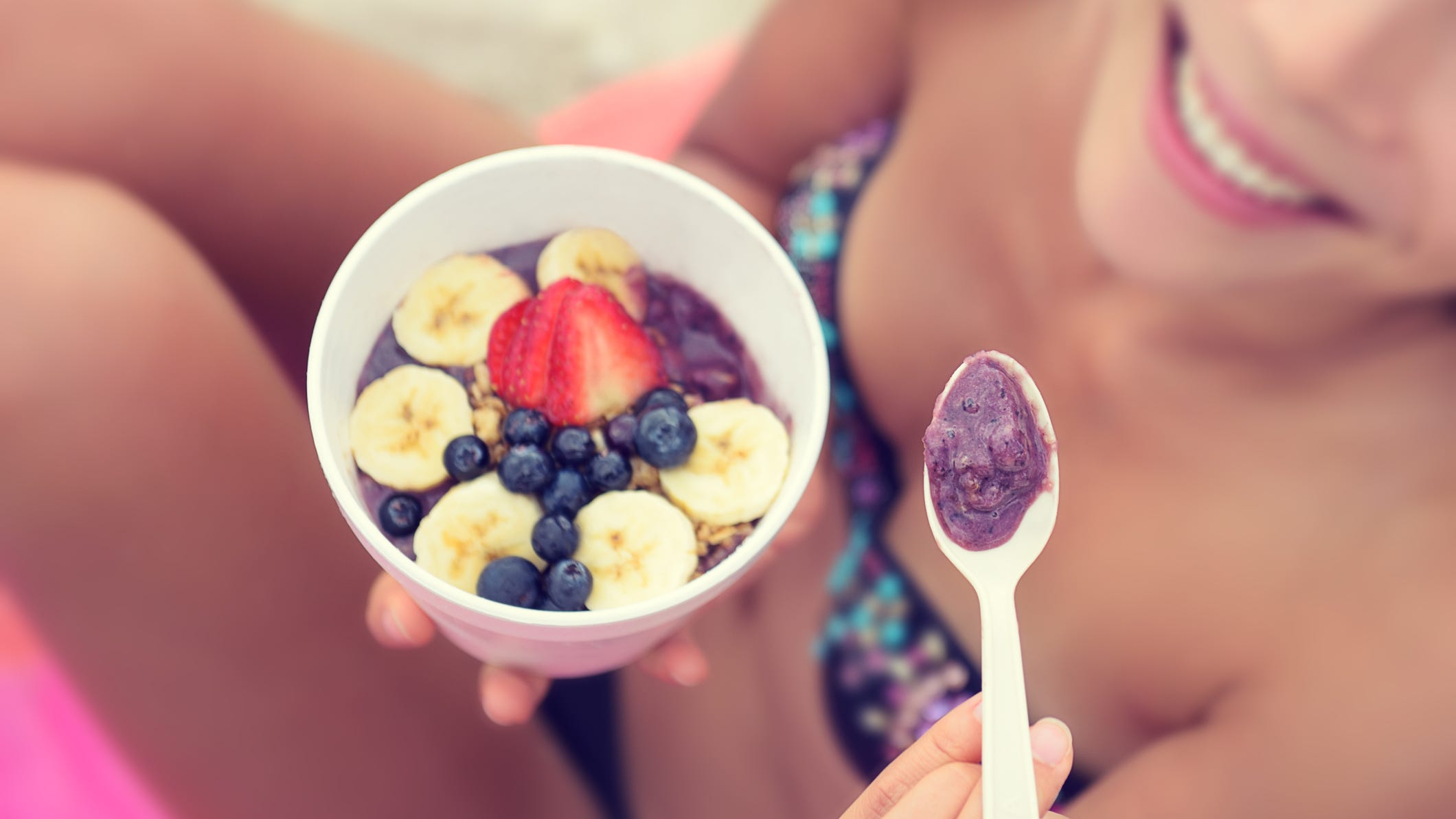
Not long ago, açaí bowls were something you were most likely to stumble across at a trendy juice bar or while vacationing in Hawaii or Southern California. Today, though, they’re practically everywhere, from neighborhood cafés and smoothie chains to grocery stores, sports tournaments and airport food courts. Their vibrant purple color, wholesome ingredients and Instagram-worthy presentation have helped turn them into one of the most recognizable health foods.
People also love them for their customizable toppings, refreshing taste “and because they look appealing, taste great and fit into the modern ‘healthy lifestyle’ trend,” says Monica Kelly, a registered dietitian at Montefiore Health System in New York.
But beneath all that fruit and crunchy granola, are açaí bowls actually as healthy as they seem? Here’s what to know.

What is açaí?
Açaí (pronounced ah-sigh-EE) comes from the small, deep-purple berries of the açaí palm (Euterpe oleracea), a tree native to the floodplains of the Amazon rainforest. “On its own, this berry is not very sweet, but actually has a mild, slightly earthy flavor,” says Kelly.
The berries are harvested throughout much of the year by hand, with workers climbing the tall palm trees to collect the fruit in bunches. But because fresh açaí berries spoil within about 24 hours of harvest, they’re almost always frozen or freeze-dried before being exported.
The base of an açaí bowl typically consists of frozen açaí puree blended with fruit such as bananas or berries, along with a small amount of milk, plant-based milk or juice until it reaches a thick, spoon-able consistency, explains Kelly.
Lance King, a nutritionist and performance coach at XFIT Coaching and the Ward Institute in Utah, says the bowls are then topped with ingredients such as granola, fresh fruit, nut butter, coconut, chia seeds, nuts and honey or other sweeteners, “making each bowl highly customizable.”
What is açaí made of?
Açaí berries themselves are naturally rich in heart-healthy fats and plant compounds called anthocyanins, the same antioxidant pigments that give blueberries, blackberries and purple grapes their deep color. This antioxidant “helps protect the body’s cells from damage,” says Kelly.
Açaí also provides fiber – nearly 4 grams in a 1/2-cup serving – along with small amounts of protein, vitamin E and manganese, which help support digestion, muscle maintenance, immune and skin health and normal metabolism and bone health, respectively.
The rest of a bowl’s nutritional value depends largely on what else goes into it, says King. Popular fruit toppings like sliced bananas, strawberries, blueberries, mango, pineapple, kiwi and raspberries provide additional fiber along with nutrients such as potassium, folate and plenty of vitamin C.
Toppings like almonds, walnuts, chia seeds, flaxseed and pumpkin seeds also contribute protein, healthy unsaturated fats and additional vitamins and minerals. “Because of this mix, açaí bowls can provide steady energy, support digestion and contribute to heart health when balanced well,” says Kelly.
Can you eat açaí bowls every day? What is inside açaí?
Not every açaí bowl is equally nutritious, and “it’s important to pay attention to portion size and the ingredients being added to the bowl,” says King.
Many commercially prepared bowls contain sweetened açaí puree, fruit juice concentrates, flavored granola, sweetened coconut and honey or other added sweeteners “that can end up high in sugar and calories, even though the ingredients are ‘natural,'” cautions Kelly.
Some café-style bowls also include chocolate, caramel and generous amounts of nut butter, resulting in snacks or meals that can exceed 700 or even 1,000 calories and “can contain as much sugar as a milkshake without people realizing,” says King.
People with diabetes or those trying to manage their blood sugar or weight may want to be especially mindful, “or pair açaí bowls with protein like yogurt or nuts or a side of eggs to help balance things out,” says Kelly.
She also recommends looking for bowls made with unsweetened açaí puree whenever possible, keeping granola and sweetened toppings to modest portions and choosing frozen açaí blends at the grocery store that don’t list added sugars on the label. “Making your own açaí bowl at home can also help control what you add to it,” she says.
Original source: https://www.usatoday.com/life/
Author

seoexperts1994@gmail.com
Related Posts

I spent a weekend with Gen Alpha. I needed a translator
- 0
- 220 words
As a youth mental health reporter, I’d like to think that I’m up to date with what young people are saying. Then...
Read out all
NAD IV therapy promises more energy. But it could come at a cost
- 0
- 210 words
These days, everyone is looking for an edge – whether for more energy, sharper focus or a longer life. To get one,...
Read out all
Horoscope Today, September 30, 2026
- 0
- 223 words
Here are the horoscopes for today, Wednesday, September 30, 2026. For full daily and monthly horoscopes as well as expert readings, see...
Read out all
The Cornell gang rape story is being scrutinized. It’s not uncommon
- 0
- 210 words
It's a story that's been heard many times before. A woman says something horrific happened to her. Or maybe, at first, she...
Read out all
Amanda Seyfried talks motherhood, politics and her surprising hobby | Exclusive
- 0
- 212 words
Actress Amanda Seyfried wants to see more moms involved in politics. The "Mamma Mia!" star joined Vote Mama, the first PAC in...
Read out all
Does your kid get enough protein? Hiya’s new launch wants to help
- 0
- 220 words
Most kids aren’t getting enough quality protein—and many “kid-friendly” options on the market are loaded with sugar or built from scaled-down adult...
Read out all