
- 0
- 425 words
How to grow the perfect beard
 Gavin Escott
Growing a beard isn’t a particularly tall task.
But even after stopping shaving, you may have doubts as to why your beard doesn’t match the vision you had in your head. Experts say beard growth is largely determined by genetics, though there are some steps you can take to ensure your beard has you looking the way you want it to.
Here’s what you need to know.
How to grow facial hair
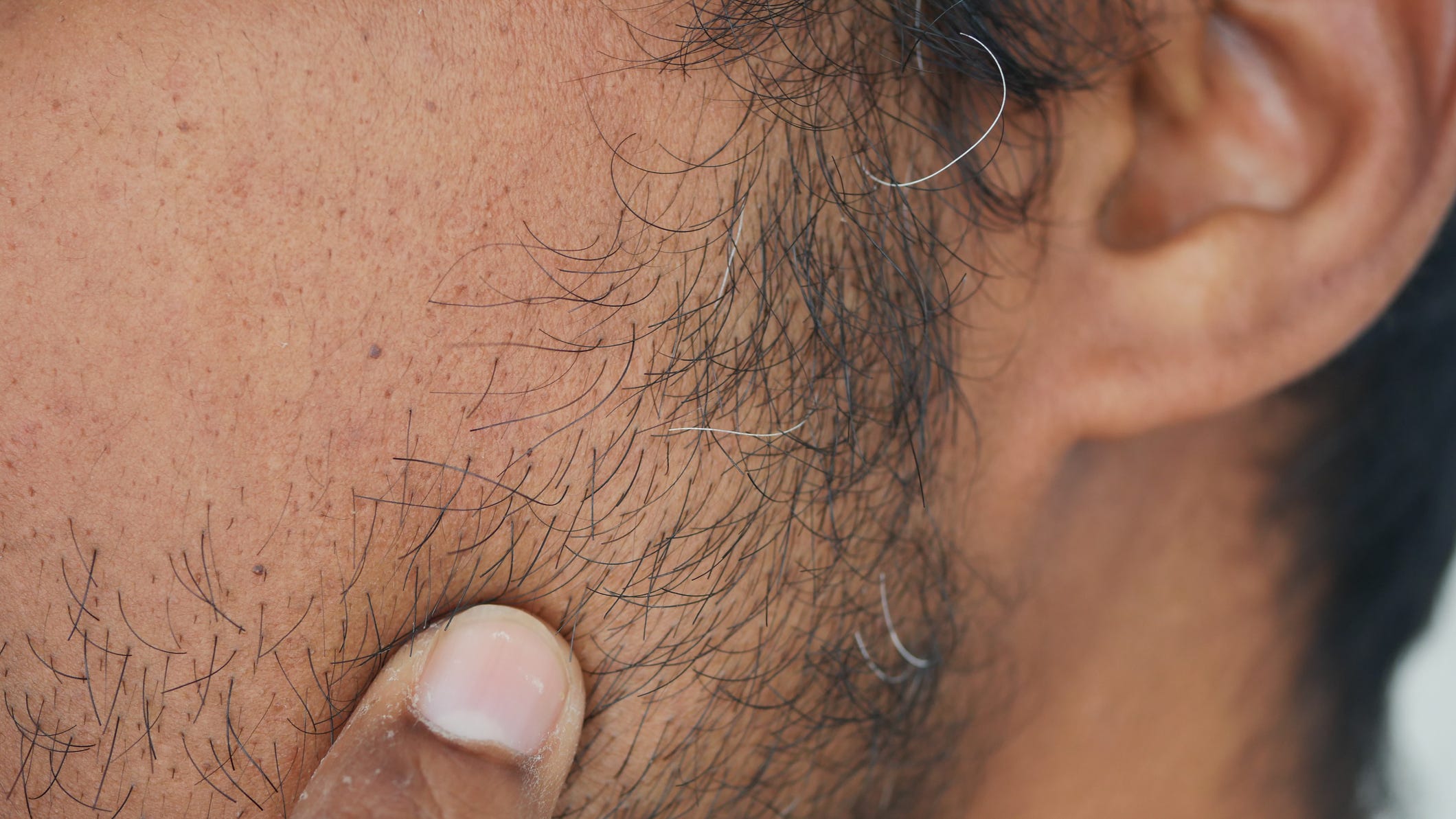
The most important factors in beard growth are “genetics, age and androgen sensitivity,” according to Dmitri Wall, a dermatologist and associate professor at University College Dublin. Androgens, a group of hormones including testosterone and dihydrotestosterone (DHT), regulate the development and maintenance of traits typically associated with males, though everyone produces it. Wall said beard follicles are strongly influenced by DHT, which is why beard density often continues to evolve after puberty.
“But there is a limit to what can be modified if someone is not genetically programmed to develop a dense beard,” Wall said.
Some people rely on medications to stimulate beard growth, though they aren’t without side effects.
Topical minoxidil, which Wall said is probably the best-supported drug option for beard enhancement, remains off label, and while evidence suggests it can improve facial hair growth, it can also cause irritation or dryness or unwanted hair growth in distant areas. Another commonly used treatment, Tretinoin can help the body absorb minoxidil, though it can also cause significant irritation.
Beard transplantation is also an option, though Wall said it requires careful assessment by a specialized surgeon beforehand. Transplanted hair, he added, retains many of the characteristics – direction, curl, density – of the donor, and poorly planned transplantation can lead to a visibly incongruent fit.
What is the 90-day beard rule?
A widely accepted guideline for beard growth, the 90-day rule stipulates a person should allow their beard to grow for around three months before deciding whether it is too patchy, or before committing to a final shape.
Wall said this rule is a “sensible practical concept” rather than a “biological threshold.”
“Beard hairs do not all grow at the same rate, and early trimming can make people judge their beard before it has had a fair chance to show its density,” he said.
Talk with a dermatologist or other licensed medical provider to figure out the best course (coarse?) of treatment for you.
Original source: https://www.usatoday.com/life/
Author

seoexperts1994@gmail.com
Related Posts

I spent a weekend with Gen Alpha. I needed a translator
- 0
- 220 words
As a youth mental health reporter, I’d like to think that I’m up to date with what young people are saying. Then...
Read out all
NAD IV therapy promises more energy. But it could come at a cost
- 0
- 210 words
These days, everyone is looking for an edge – whether for more energy, sharper focus or a longer life. To get one,...
Read out all
Horoscope Today, September 30, 2026
- 0
- 223 words
Here are the horoscopes for today, Wednesday, September 30, 2026. For full daily and monthly horoscopes as well as expert readings, see...
Read out all
The Cornell gang rape story is being scrutinized. It’s not uncommon
- 0
- 210 words
It's a story that's been heard many times before. A woman says something horrific happened to her. Or maybe, at first, she...
Read out all
Amanda Seyfried talks motherhood, politics and her surprising hobby | Exclusive
- 0
- 212 words
Actress Amanda Seyfried wants to see more moms involved in politics. The "Mamma Mia!" star joined Vote Mama, the first PAC in...
Read out all
Does your kid get enough protein? Hiya’s new launch wants to help
- 0
- 220 words
Most kids aren’t getting enough quality protein—and many “kid-friendly” options on the market are loaded with sugar or built from scaled-down adult...
Read out all